

Taking a case to the African Court in Arusha: who can file and how
Only seven states currently let individuals file directly with the African Court. This guide explains who can bring a case, the admissibility tests, and what follows a ruling.
International courts reporting on trials, verdicts and sentences, with plain-English guides to how each tribunal works and who it can prosecute.
Only seven states currently let individuals file directly with the African Court. This guide explains who can bring a case, the admissibility tests, and what follows a ruling.

The International Criminal Court has no police force. This article explains what judges can do when a member state does not arrest a suspect, and why the consequences are limited.

The Inter-American Court of Human Rights in San José rules on alleged violations by states. This guide explains who can bring a case, how hearings run and what happens after judgment.
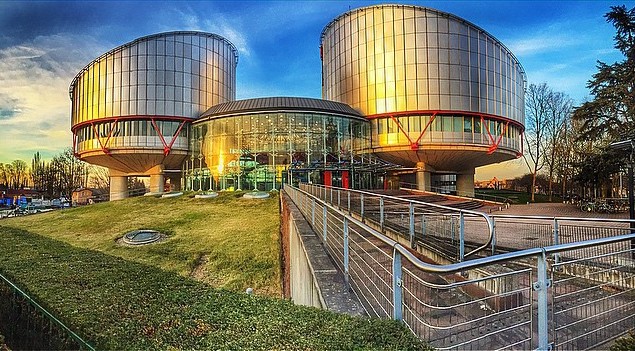
The European Court of Human Rights hears complaints from people who say their Convention rights were breached. Here is the route from national courts to a ruling in Strasbourg.

The International Criminal Court tries individuals accused of the gravest crimes, but only in limited circumstances. This guide explains who can be charged and how a case proceeds.

A plain guide to courtroom roles, from the judge and jury to the clerk, advocates and public gallery. It also covers how international courts differ.