
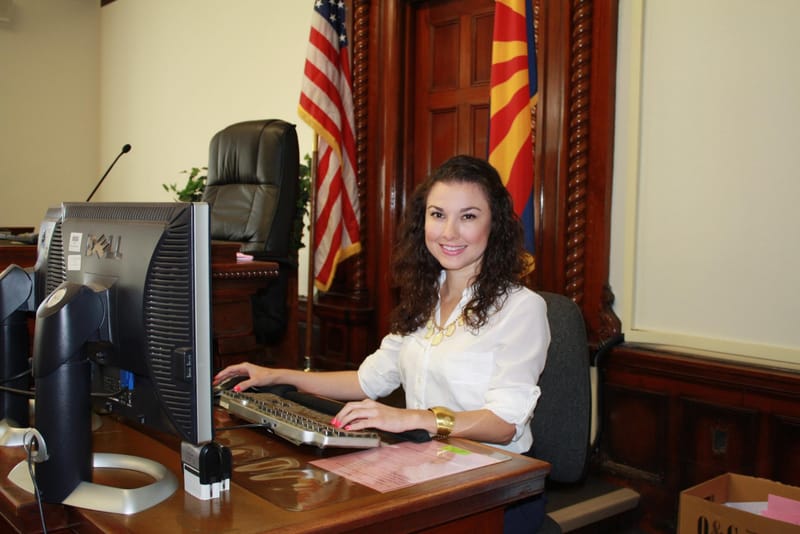
The court clerk: what they do behind every hearing
The court clerk rarely speaks for long, but hearings depend on the role. This guide explains the clerk's duties before, during and after a case, and how they differ by country.
Courtroom procedure explained step by step, from jury selection and cross-examination to verdicts, mistrials and extradition, with comparisons across legal…
The court clerk rarely speaks for long, but hearings depend on the role. This guide explains the clerk's duties before, during and after a case, and how they differ by country.
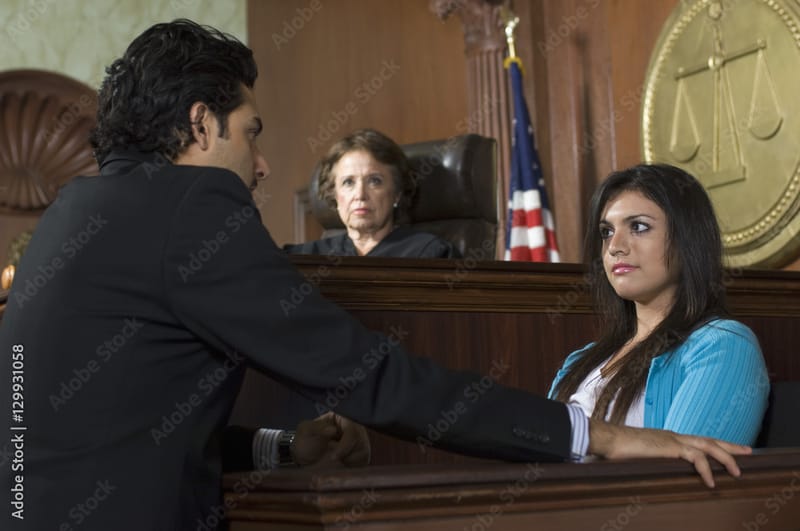
Cross-examination lets one side test the other's witnesses, but the questions are limited by rules of evidence and the judge's control. This guide explains what is allowed and what is not.
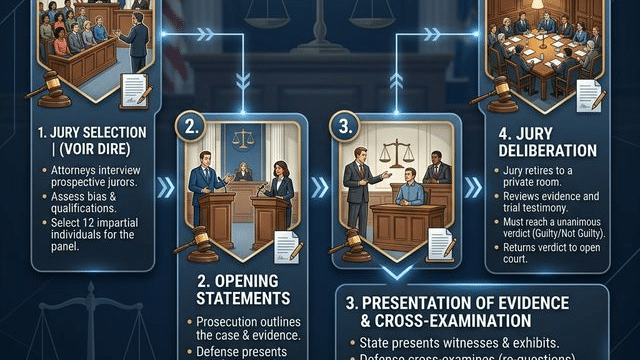
A plain-English guide to the first stage of a criminal trial: how the jury is briefed, what an opening statement can and cannot do, and what happens when the first witness is called.
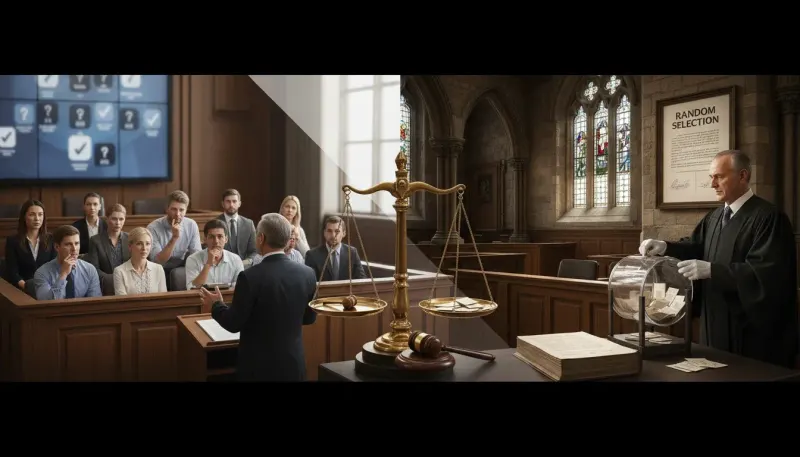
Jury selection differs sharply between countries. This guide compares the American voir dire process with random selection in England and Wales, and looks at other systems.
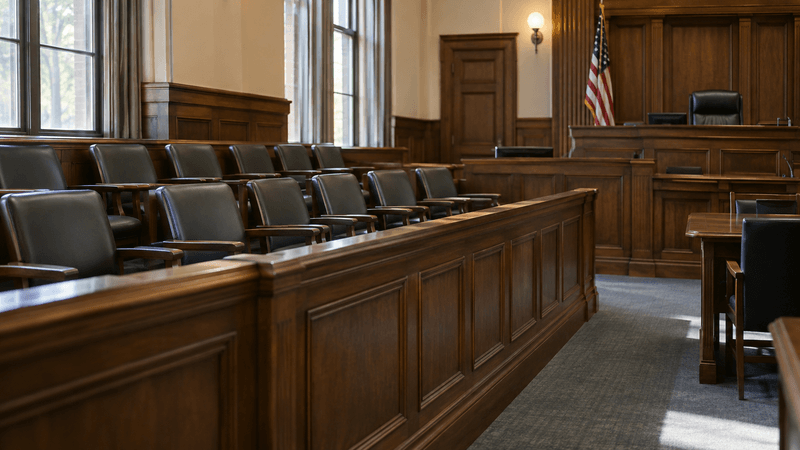
A jury verdict can require every juror to agree or only most of them. This guide explains how unanimous and majority rules work and how a verdict is announced in court.

A plain-English guide to the French criminal process, from police custody and the investigating judge to the courts that try minor, mid-level and serious offences.