
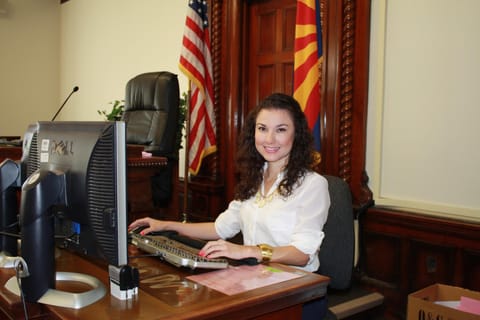
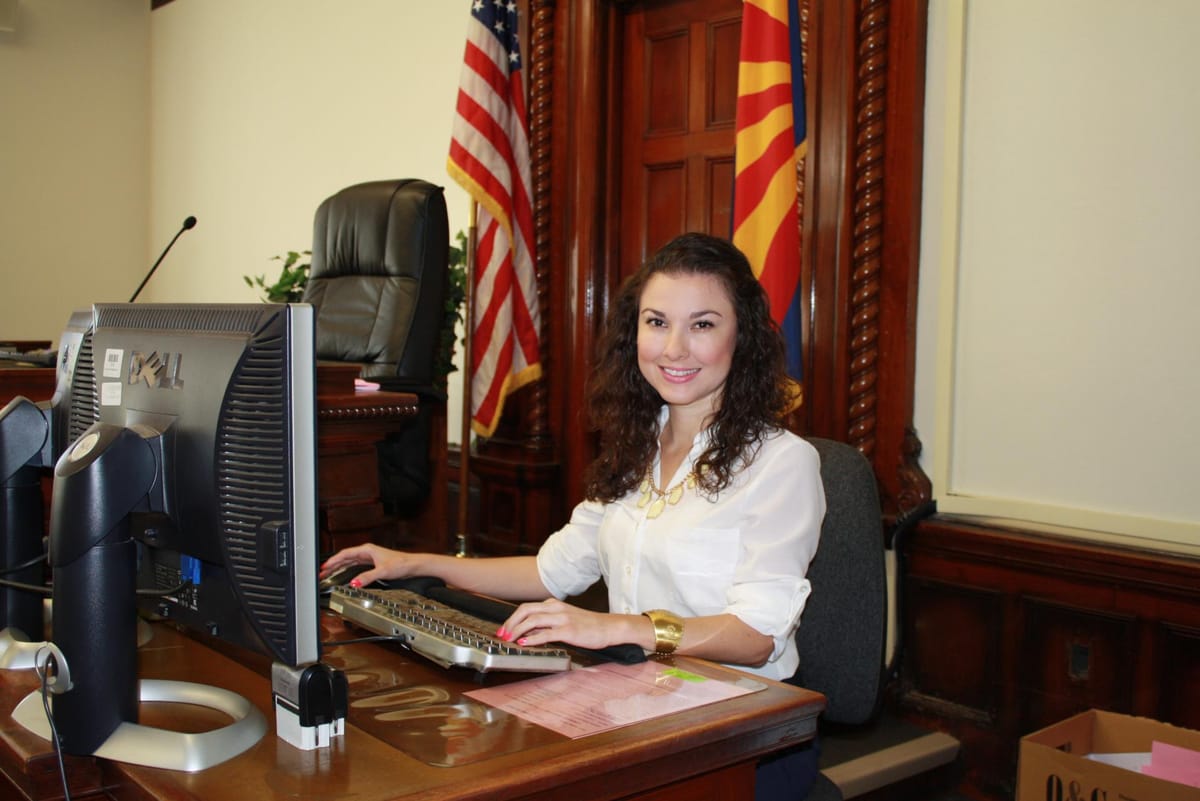
The court clerk: what they do behind every hearing
Judges, lawyers and juries draw most of the attention in a courtroom, but a hearing would struggle to run without the person seated just below the bench. The court clerk handles the paperwork, the formalities and the timetable that turn a legal dispute into an orderly hearing. This guide explains what the role involves and how it differs between legal systems.
Why the court clerk matters
Among all the courtroom roles, the clerk is the one that links the judge, the parties and the administration of the court. Judges decide cases, and lawyers argue them. The clerk makes sure the right case is called at the right time, that the right people and documents are present, and that what happens is properly written down.
The exact title and duties vary by country, court and level. Some jurisdictions use the word clerk, others use associate, registrar or legal adviser. The core purpose is much the same everywhere: to support court procedure so that it is fair, consistent and traceable.
Before the hearing
Much of a clerk's work happens out of public view. Court staff prepare the list of cases for the day, check that the necessary papers have been filed and make sure the judge or magistrates have what they need. When a defendant is in custody, or a party needs an interpreter or special arrangements, the clerk's office usually helps coordinate this with other agencies.
Clerks also handle the practical side of scheduling. They record new dates, relay directions made at earlier hearings and answer procedural questions from lawyers and members of the public. They cannot give legal advice to the parties, and they do not influence the outcome of a case.
In the courtroom
Formalities and oaths
When a hearing starts, the clerk often announces the case or identifies it for the judge. In many courts the clerk also puts the charge or charges to a defendant at the start of a criminal case, so that the defendant hears them read aloud and can respond. Clerks commonly swear in witnesses and jurors, and in some systems they take and read back a jury's verdict.
These steps can look like ceremony, but each has legal weight. An oath or affirmation, correctly taken, is part of what makes testimony admissible. A verdict, correctly delivered, is what the judge can act on.
Keeping the court record
The court record is the official account of what happened. The clerk notes who appeared, which orders were made, which documents or exhibits were handed up and what dates were set. In some courts a separate stenographer or digital recording system captures every word spoken, while the clerk keeps the formal log of decisions and exhibits.
An accurate record matters long after the hearing ends. If a decision is appealed, the higher court relies on the record to see what was said, what evidence was admitted and what order was made.
Supporting the judge
Clerks also help the judge manage the flow of a hearing. They may pass up documents, check the details of an order as it is dictated, and confirm dates with the parties. In magistrates' courts in England and Wales, the legal adviser, who holds the clerk's traditional role, advises the magistrates on law and procedure but does not take part in their decision.
After the hearing
When the court rises, the clerk's work continues. Orders must be drawn up, sealed or issued, and copies sent to the parties. Bail conditions, sentences, directions and next hearing dates have to be recorded accurately and passed to the agencies that need them, such as prisons, probation teams or the police.
Court offices also store the files, keep them accessible within the law and handle requests to inspect records, where inspection is allowed. Restrictions such as reporting limits or sealed documents are applied at this stage, too.
How the role differs by country
In England and Wales, a Crown Court clerk, sometimes called an associate, sits in front of the judge, handles arraignments and juror oaths, and keeps the formal record of the hearing. Another member of staff, the usher, brings witnesses in, looks after jurors, keeps order in the room and helps people find their way around the building.
In the United States, the clerk of court is often the head of an office that files documents, maintains the docket and manages court records. A courtroom deputy clerk handles the day-to-day work in the room, including swearing witnesses, marking exhibits and recording the minutes. A bailiff generally takes care of security and order.
One common source of confusion is the law clerk. In many courts this is a junior lawyer who researches and drafts for a judge, which is quite different from a court clerk's procedural and administrative duties.
The quiet role that keeps justice on track
The court clerk seldom makes headlines, yet almost every part of a hearing relies on the clerk's work, from the list on the door to the order sent out afterwards. Understanding the role helps explain why hearings run as they do, and why a precise, impartial record matters to everyone who comes before a court.