
Robison murders, 1968: prime suspect died uncharged, case open
The Robison family murders, also known as the Good Hart murders, took place in Michigan on 25 June 1968, when six members of one family were killed at their holiday cottage. No court has ever heard the case. The man investigators came to regard as the prime suspect, Joseph Raymond Scolaro III, died by suicide in March 1973, aged 34, before any charge was brought. He was never charged or tried, and he left a note denying involvement. The case remains officially open.
What happened at Good Hart
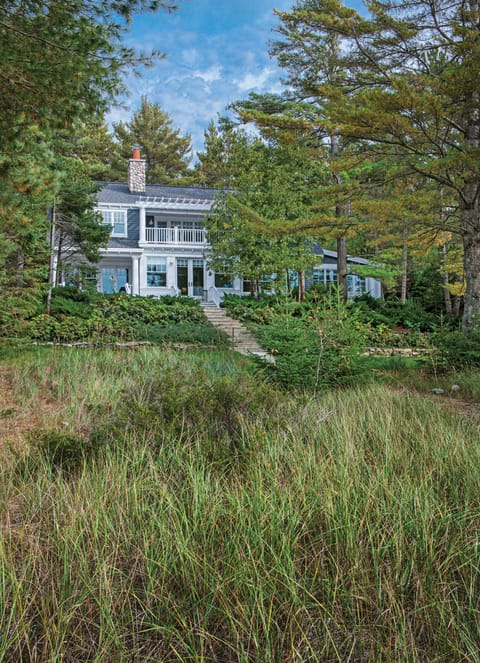
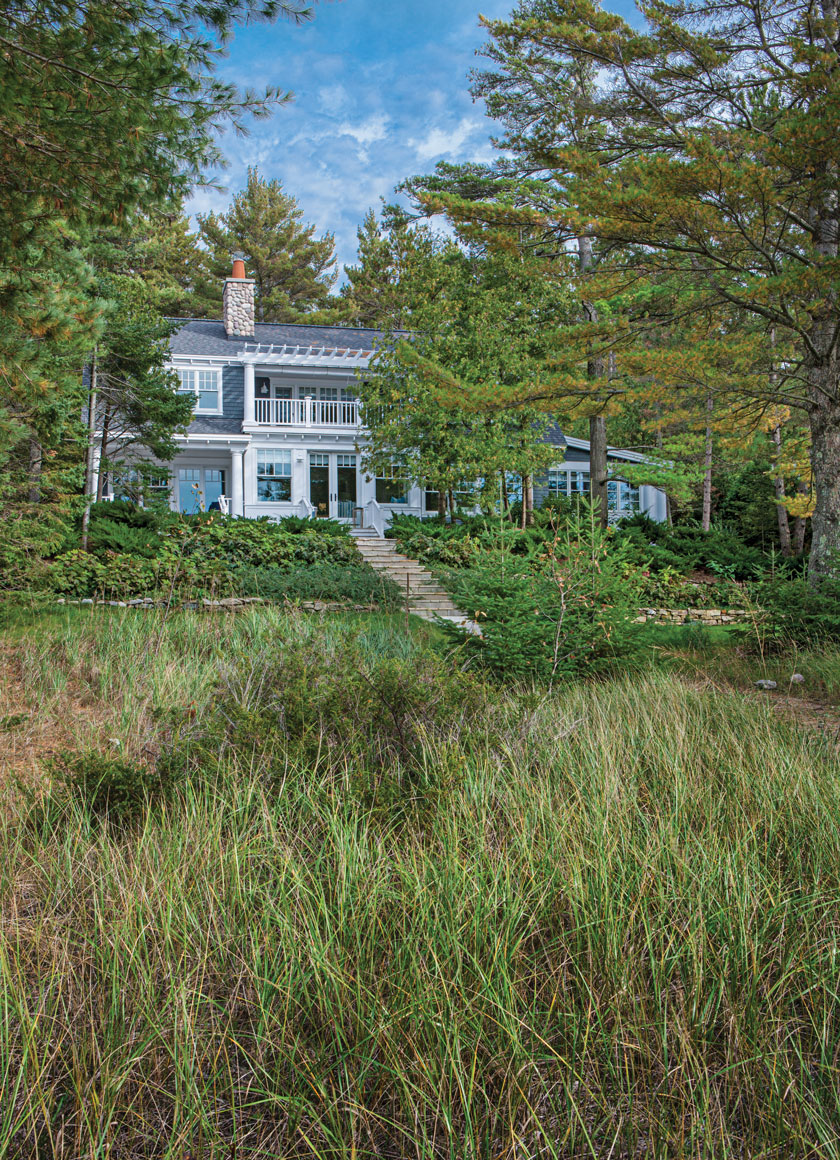
Richard Robison, his wife Shirley and their four children lived in Lathrup Village, a prosperous suburb of Detroit. Mr Robison ran an advertising agency and was also involved with a cultural magazine, Impresario. The family had holidayed every summer since 1957 at a log-and-stone cottage called Summerset, in the Blisswood Resort community at Good Hart, on the Lake Michigan shore. The cottage stood at the end of a long private driveway in woodland.
The 1968 holiday began on 16 June, and the family travelled with friends and associates who stayed in nearby rented homes. On 23 June, a teenage friend of the family's eldest son died in a motorcycle accident, and the Robisons paid their condolences to his parents. The family is believed to have been killed on 25 June. The four children ranged from a primary-school pupil to a university student, and the family is not otherwise identified here.
The discovery and the first investigation
The bodies lay undiscovered until 22 July 1968, when a resort caretaker investigating a strong smell opened the cottage door. All six family members were dead. Investigators established that they had been shot, and that two of the victims had also been struck with a hammer. The weapons were identified as a.22-calibre AR-7 semi-automatic rifle and a.25-calibre Beretta pistol.
The Michigan State Police and the Emmet County Sheriff's Office carried out the inquiry. At the time, the killings were regarded as the worst mass murder in the state's history. Initial investigations were completed in December 1969, and by then they had identified a senior employee of Mr Robison as the focus of the evidence.
Why Scolaro became the prime suspect
Mr Robison had left Mr Scolaro in charge of the business while he was away. Investigators concluded that Mr Scolaro had been embezzling from the company, with reported losses of about $60,000. Telephone records were taken to show that the two men spoke on the morning of the killings. Police theorised that Mr Robison raised the missing money in that call.
Other points reported over the years include the following:
- Mr Scolaro had owned weapons of the same types used in the killings, and said he no longer had them.
- He could not produce witnesses to account for roughly half a day on 25 June.
- Footwear and ammunition evidence was said to link him to the scene or to places he frequented.
These points are circumstantial and were never tested before a jury. They are allegations and investigative conclusions, not findings of a court.
The 1973 reopening and Mr Scolaro's death
Emmet County prosecutors initially judged that the evidence was too thin to prosecute. The case was reopened around 1972 after Lewis Brooks Patterson became the chief prosecutor in Oakland County, where the Robisons lived. He believed the offences fell within his jurisdiction. Further physical evidence was reported to have been examined.
In March 1973, as news spread that charges might follow, Mr Scolaro took his own life. His death ended any prospect of a prosecution. In the absence of a charge, there was no indictment, no plea and no verdict, so nothing can be said in law about his guilt.
Doubts and alternative theories
Not everyone accepts the case against Mr Scolaro. Critics argue that he could not have driven from the Detroit area to Good Hart, committed the killings and returned within the period for which he had no alibi. Other lines of speculation have circulated, including claims about Mr Robison's private business dealings and a possible link to an unrelated series of killings in southeast Michigan. None of these has been established, and the police investigation continued to point to Mr Scolaro.
Why the case remains open
The case is described as inactive, but not closed. Because there was never a trial, the public record consists of police files, newspaper reports from the time and later reviews, rather than a judgment. Readers wanting primary material can look to the Michigan State Police and the relevant county prosecutors' offices, and to contemporary court and press archives.
The case also shows how the law treats a suspect who dies before charge. The presumption of innocence applies to every person who has not been convicted. A suspect's death ends the possibility of a prosecution, but it does not turn the police theory into a legal finding. For that reason, responsible accounts describe Mr Scolaro as the alleged perpetrator and prime suspect, and the murders as unsolved.