
Kevin Neal died by suicide after 2017 Rancho Tehama shootings
Kevin Janson Neal, aged 44, was never tried for the killings he committed in Rancho Tehama, California, on 13 and 14 November 2017, because he died at the end of the attack. A final report from the Tehama County Sheriff's Department, based on an autopsy, concluded that he shot himself in his vehicle after police forced it to a halt. Early reports had suggested officers killed him. No court has therefore made findings about the shootings, and what is known comes from investigators' statements and court records from earlier cases.
What happened on 13 and 14 November
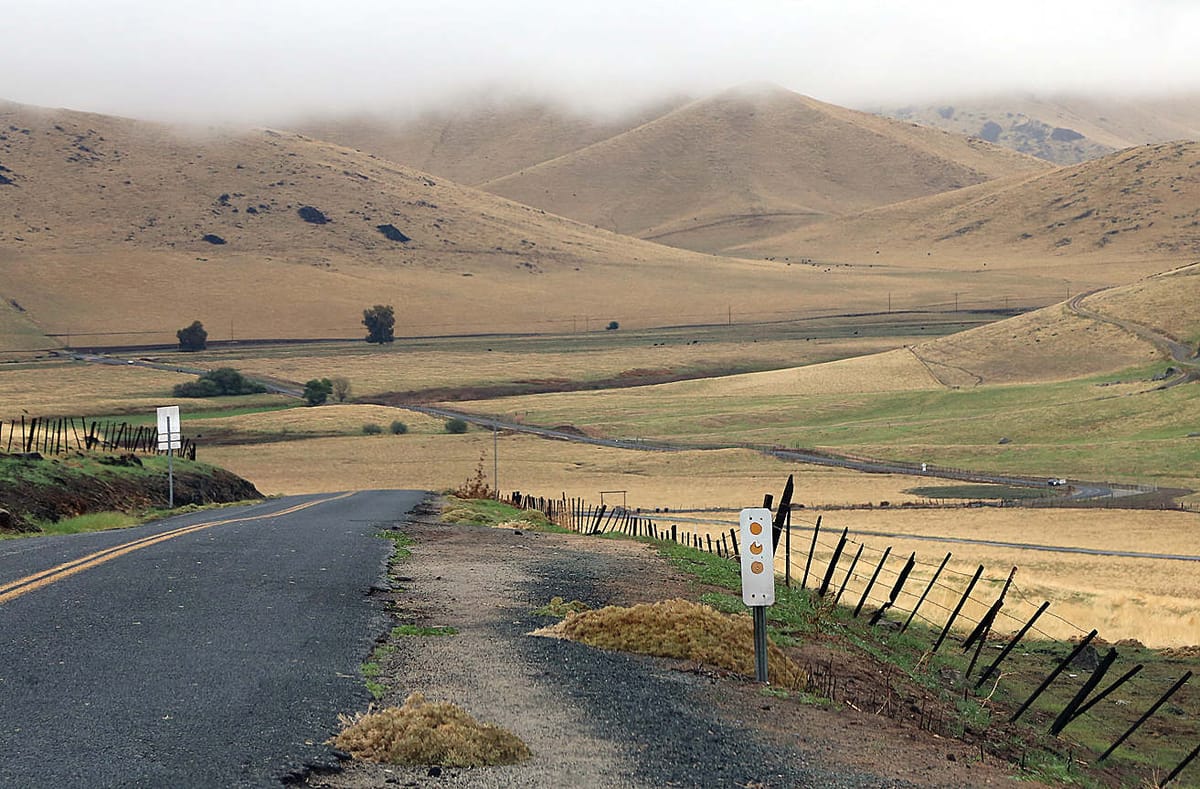
Rancho Tehama is a small, rural, unincorporated community in Tehama County, in Northern California. It lies roughly 120 miles north-west of Sacramento and is a long way from the nearest hospitals and shops.
Investigators said the first death came on the night of 13 November, when Neal shot his wife, Barbara Glisan, at their home and hid her body under the floorboards. Officers did not find her until the day after the main attack.
The shootings in the community began on the morning of 14 November. Neal first killed two neighbours, with whom he had been in a long-running dispute. He then took a pickup truck belonging to one of them and fired at vehicles and people as he drove. The sequence lasted about 25 minutes, from shortly before 8am.
The elementary school
Neal drove to Rancho Tehama Elementary School, where he fired for about six minutes. Staff heard gunfire nearby and put the school into lockdown, which police later credited with protecting pupils. Several children and an adult were wounded. Officers said later that he fired more than 100 rounds at or into the school. He then left, abandoning a rifle, and shot at other people before stealing another vehicle.
The end of the pursuit
A Corning police officer and a Tehama County deputy rammed the stolen vehicle and stopped it. Neal exchanged fire with them and struck their vehicle, but neither officer was hurt. In total, five people were killed, not counting Neal, and 18 were injured: ten by gunfire and eight by flying glass.
Court orders before the attack
The case drew attention because Neal was already known to the courts. In January 2017 he was accused of stabbing a neighbour. He was charged and released on bail, reported as $160,000, pending trial on two alleged felonies and several alleged misdemeanours. Those charges were never decided, and he was presumed innocent of them when he died. His mother told the Associated Press that the neighbour was cut when he took a knife from her hand.
A neighbour obtained a restraining order, also called a protective order, in early 2017. It required him to stay away from her and her family, and it barred him from having guns. A judge later renewed it. Court records showed that Neal certified he had handed in his weapons.
The weapons and the questions raised
After the attack, investigators said they recovered two semi-automatic rifles that Neal had assembled himself, along with two handguns registered to someone else. The homemade rifles were unregistered, and officials described them as obtained illegally. In plain English, a person under a court firearms ban should not have possessed any of them.
The sheriff's office said deputies had been called to the area 21 times in the previous year. Neighbours reported that he fired guns, sometimes towards their homes and cars. Officers said they never saw him holding or firing a weapon, and that he would not open his door when they called.
At a news conference the day after the attack, the assistant sheriff first said Neal was not prohibited from owning firearms, then acknowledged the protective order. He defended the decision not to arrest Neal earlier. A law professor quoted in the press argued that officers do not need to witness a breach of a restraining order themselves before acting. The shootings fed a wider debate on enforcing firearms bans attached to protective orders and on homemade guns.
Why there was no trial
In a criminal case, a prosecutor charges a living defendant, and a judge or jury decides guilt. That cannot happen when the suspect dies, so the court proceedings against Neal on the earlier assault charges ended without any verdict. The sheriff's department's findings on the shootings are the closest thing to an official account. Anyone wanting primary material should look to its reports, the Tehama County Superior Court records of the earlier case and the district attorney's statements.
Aftermath for the community
The school closed early for the Thanksgiving break and reopened on 27 November. Governor Jerry Brown expressed condolences to victims and families. Residents of a place with few services faced the aftermath largely on their own, and the case remains a reference point in discussions about how courts, police and communities respond to warning signs.
Key points
- The attack ran from the night of 13 November to the morning of 14 November 2017.
- Five people were killed, including Neal's wife, and 18 were injured.
- Neal, 44, died by suicide; an autopsy corrected early reports that police shot him.
- He was on bail and subject to a court order barring firearms when the attack happened.
- No trial or verdict was possible, so the public record rests on investigators' findings and earlier court files.