
Jeffrey Epstein: the charges, his death and the legal aftermath
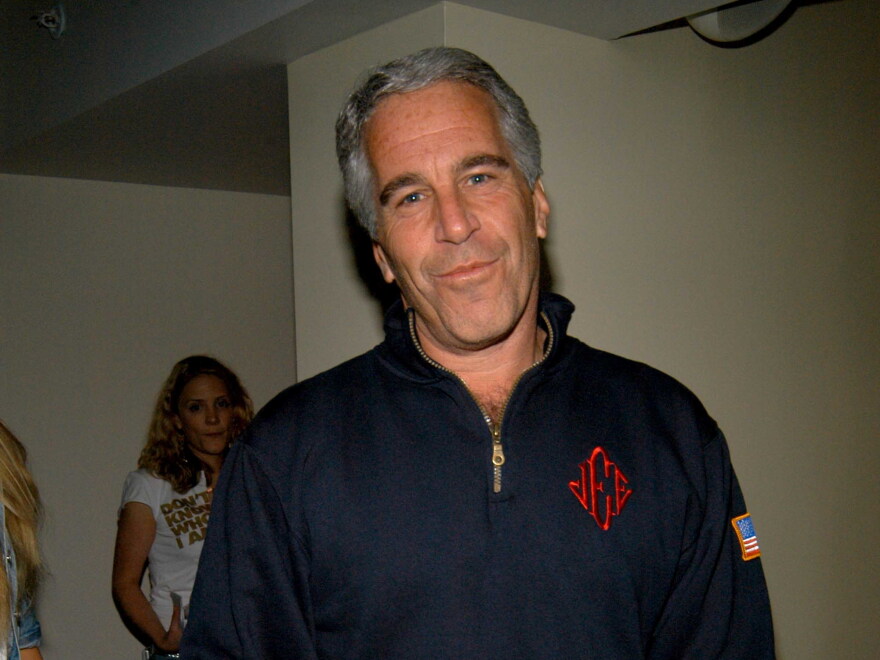
Jeffrey Epstein, an American financier, died on 10 August 2019 in a federal jail in Manhattan. He was awaiting trial on sex trafficking charges and had pleaded not guilty. Because he died before any trial, the federal allegations were never tested before a jury. His earlier conviction, in Florida in 2008, stands on the record. This article sets out what the courts decided, what they did not, and why the case is still in the news.
The Florida investigation and the 2008 plea
The first criminal case began in Palm Beach, Florida, in the mid-2000s, when local police investigated allegations that Epstein had paid underage girls for sexual contact. Federal prosecutors also looked at the matter. In 2007 Epstein reached a non-prosecution agreement with the US Attorney's Office in Miami. Under it, he would not face federal charges if he pleaded guilty to state offences.
In 2008 Epstein pleaded guilty in a Florida state court to two charges. One was soliciting prostitution. The other was procuring a person under 18 for prostitution. He was sentenced to 18 months and was required to register as a sex offender. He served part of the sentence in a county jail under a work-release arrangement that later drew heavy criticism.
The agreement was negotiated without the alleged victims being told. In 2019 a federal judge in Florida ruled that prosecutors had breached the Crime Victims' Rights Act by keeping them in the dark. Reporting by the Miami Herald in 2018 had renewed public attention on how the deal came about.
The 2019 federal charges
Arrest and indictment
Epstein was arrested on 6 July 2019 and an indictment was unsealed in New York. Prosecutors in the Southern District of New York charged him with sex trafficking of minors and with conspiracy to commit sex trafficking. They alleged a scheme in New York and Florida over several years in the early 2000s. He pleaded not guilty, and a judge refused to grant him bail.
Death in custody
Epstein was found unresponsive in his cell at the Metropolitan Correctional Center on 10 August 2019. The New York City medical examiner concluded that he had died by suicide. Later official reviews found serious failings at the jail, including lapses in monitoring and in the keeping of records. Two correctional officers were charged with falsifying records and were later allowed to resolve the case without a conviction.
Epstein's death meant that the criminal case against him ended. The trial judge dismissed the indictment in August 2019. He first allowed a number of the alleged victims to address the court.
The Ghislaine Maxwell prosecution
Ghislaine Maxwell, a British former associate of Epstein, was arrested in July 2020. She was tried in Manhattan and convicted in December 2021 of offences that included sex trafficking of a minor. Prosecutors had argued that she helped to recruit and groom girls for abuse. She was sentenced to 20 years in prison in June 2022 and fined $750,000.
Maxwell appealed. The Second Circuit Court of Appeals rejected her arguments, including her claim that the 2007 non-prosecution agreement should have protected her. On 6 October 2025 the US Supreme Court declined to hear her case. Her conviction and sentence therefore remain in place, although a presidential pardon or other clemency would be a separate route. Her lawyers have continued to seek other relief.
Civil claims and compensation
Many of the legal consequences have come through civil courts. Epstein's estate set up a compensation programme for people who said they were abused. Banks that had dealt with him also faced lawsuits. JPMorgan Chase and Deutsche Bank each agreed to settle claims brought on behalf of alleged victims, without the cases going to trial. A settlement is not a finding of liability by a court.
The Epstein files
Public pressure grew for the government to release its investigative records. Congress passed the Epstein Files Transparency Act, and the Justice Department began publishing material on 19 December 2025. A further large release followed in early 2026, and the documents included emails, photographs and other records. They also prompted political fallout in several countries.
The release has been contested. Campaigners and some lawmakers say large parts of the material remain redacted or missing. The Justice Department says it has complied with the Act, and cites exemptions that protect victims' identities and ongoing investigations. A federal judge in a related lawsuit has pressed the department on its compliance. Congressional committees have also questioned officials and people who knew Epstein.
It is important to read the files with care. A name in a document, a photograph or an email does not show that a person committed a crime. Many people appear because of ordinary social, business or administrative contact. Claims made by or about named individuals are allegations unless a court has found otherwise, and several have been denied.
Why the case still matters
The Epstein case raises lasting questions about how prosecutors use plea and non-prosecution agreements, and about the rights of victims to be consulted. It also raises questions about the safety of people held in federal custody. Epstein's death meant there was no trial in which evidence could be tested. His case remains a reference point in debates about transparency, accountability and the treatment of victims in the justice system. The Maxwell conviction is the main judgment to emerge from the federal investigation. Other legal and political processes arising from the case are still under way.