
Lawrence and Drew families: the 1921 Graves County fire deaths
Eleven people from two related families died in a fire at the home of Ernest Lawrence, a 35-year-old farmer, near Hickory Grove in Graves County, Kentucky, on the night of 25–26 June 1921. A coroner's jury sitting on 26 June 1921 concluded that the cause of death was unknown to it, but said it believed there had been foul play. No one was ever charged, and the deaths remain officially unexplained.
What is known about the night
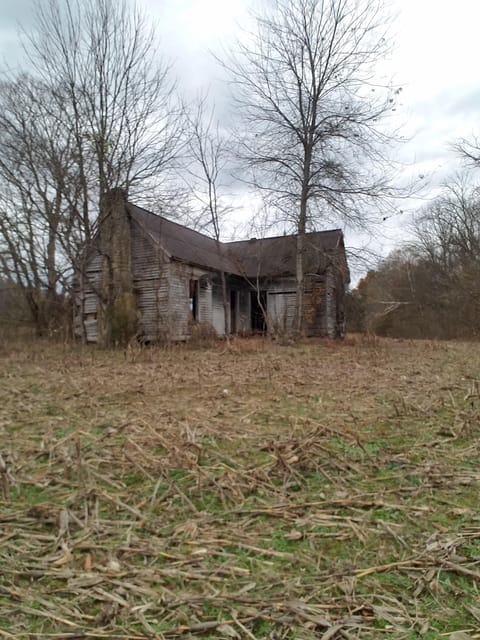
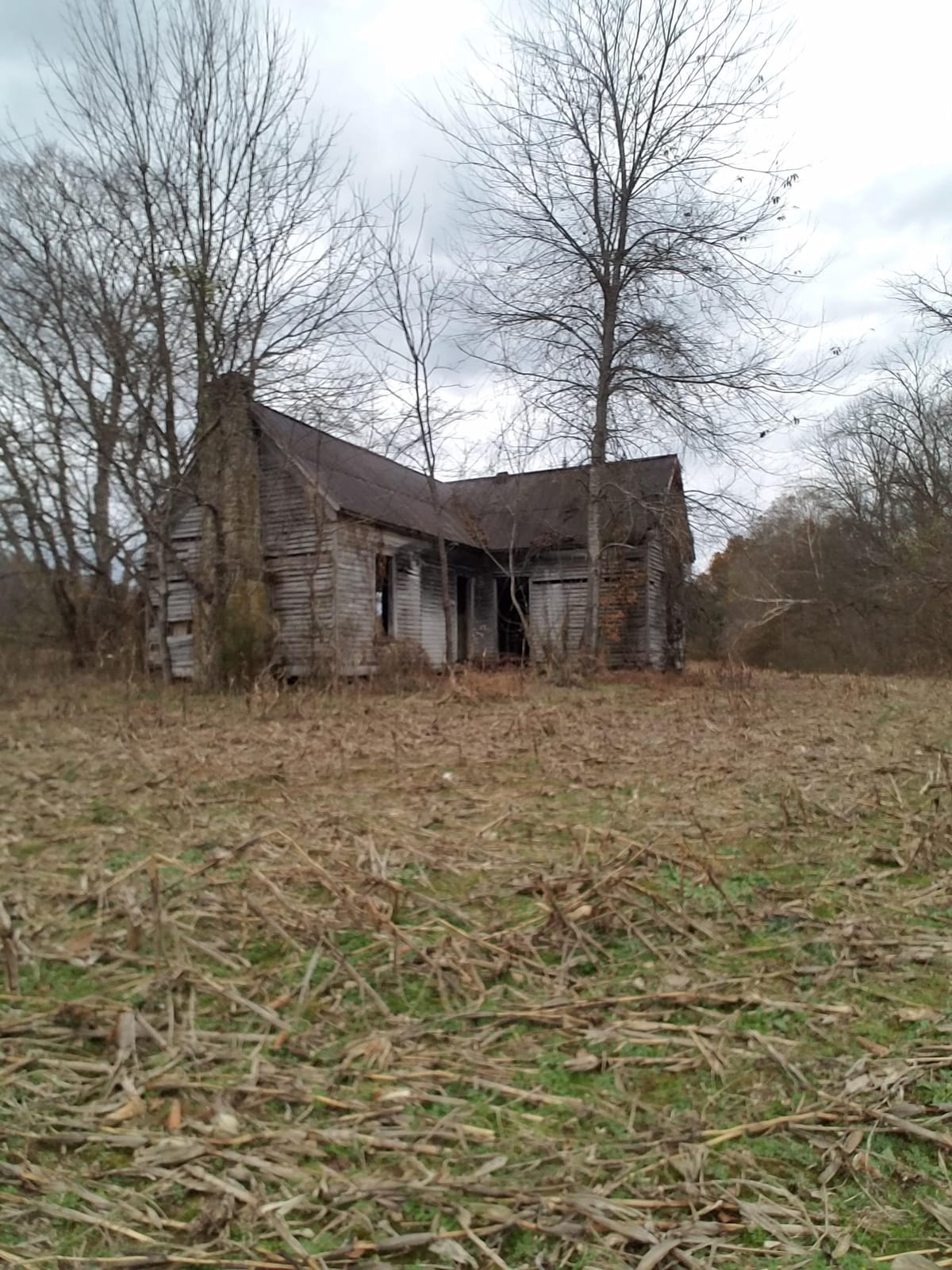
The Lawrence home was described in a contemporary newspaper account as a log and box house on a hilltop. It was found ablaze close to midnight with 11 people, the Drews and the Lawrences, inside. The fire happened on a Saturday night, and the bodies were recovered the following day.
The dead included Ernest Lawrence, 35, and Ola Lawrence, 28, together with their three young children, the youngest only 11 months old. The other victims were a married couple named Drew, aged 24 and 21, and their children, along with a 12-year-old boy. In all, the dead were four adults and seven children.
The physical evidence
Reports from the time list several items found in the front room of the house. They included a pistol, a shotgun, two rifles, a two-bladed axe and an oil can. The account also says the axe, pistol and oil can were found almost at the front door, and that some cartridges had been set off by the heat of the fire.
The remains were so badly burned that, according to local reporting, investigators could not determine who was who, or how they had died. That limit on the forensic evidence shaped everything that followed. Without an identifiable cause of death for each person, there was little for an inquest to rest on beyond the scene and what neighbours had heard.
The coroner's inquest
In the United States, a coroner's inquest is a public inquiry into a death that is sudden, violent or unexplained. A jury hears witnesses and gives a finding on how the deceased died. It does not convict anyone: such a finding is not a criminal verdict, and a trial happens only if prosecutors later bring charges.
Testimony
Neighbours living north of the isolated farm told the inquiry under oath that they heard the screams of women and children and six or seven shots. The weapons and other items found in the room led some observers at the time to suspect violence rather than an accident.
The finding
The jury recorded that the two families had died from a cause unknown to the jury and the evidence, in the burning of Ernest Lawrence's home. It added that it believed there was foul play but did not know the cause. Some later retellings summarise this as a finding of murder. The wording of the recorded verdict is more cautious: it suspects foul play but does not say who was responsible or how the deaths occurred.
Competing accounts
Because there was no trial, there is no court finding to settle the question, and published accounts differ.
- One widely used chronology describes the event as a murder-suicide by Ernest Lawrence, saying investigators concluded he killed most of the victims and then set the fire.
- Local historical reporting, including coverage marking the centenary, describes the case as unsolved. It says the home and bodies were burned and that no one was ever charged in connection with the deaths.
The inquest verdict as recorded does not name Lawrence or anyone else. A suggestion that one man was responsible is therefore a theory held by some writers, not a legal finding. Anyone reading about the case should treat it as such.
Memory and later writing
The victims were buried together in one grave at Maplewood Cemetery in Mayfield. The stone describes the deaths as a horrible end in the burning of the Lawrence home and calls the case \"One of the unsolved mysteries.\"
In 2021, a descendant of the extended family, Bernadette Rule, published a book called Dark Fire. Local coverage describes it as creative nonfiction, drawing on research and family accounts. Reports say it connects the events of 1921 to disputes in the area during the so-called tobacco wars, a period of conflict among Kentucky tobacco growers. A book of this kind, which changes some names and blends research with imagination, is not evidence and does not amount to an allegation against any named person. It has, however, brought renewed attention to a case that the local community had spoken of little for decades.
Why the case stayed open
Several factors explain why no prosecution followed.
- No witnesses. Reports from the time say there were no eyewitnesses and no suspects.
- Damaged remains. Identification and cause of death could not be established for individual victims.
- An isolated scene. The farm stood apart from neighbours, who could describe sounds but not what they saw.
- Limited investigative methods. Forensic science in rural Kentucky in 1921 could do little with a destroyed building.
Summary
The deaths of the Lawrence and Drew families on 25–26 June 1921 are among the deadliest events recorded in Graves County. An inquest on 26 June found foul play likely but could not say who was responsible. No charge was ever brought and no court has ruled on what happened. Any account naming a culprit goes beyond the official record. What can be said with confidence is limited to the number of dead, the fire, the items found in the house, the neighbours' evidence of screams and shots, and the jury's inconclusive finding.