
Charles Thessen: the Lane Hotel fire and the sentences that followed
Charles Thessen, a 35-year-old former Air Force cook, was convicted in 1967 of 14 counts of manslaughter over the Lane Hotel fire in Anchorage, Alaska, which began in the early hours of 12 September 1966. He was sentenced to three consecutive 20-year terms, with 11 further 20-year terms to run at the same time. His case later became a leading Alaska ruling on how many punishments one act can attract.
The Lane Hotel fire
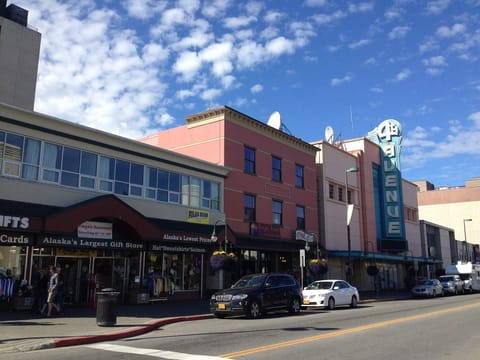
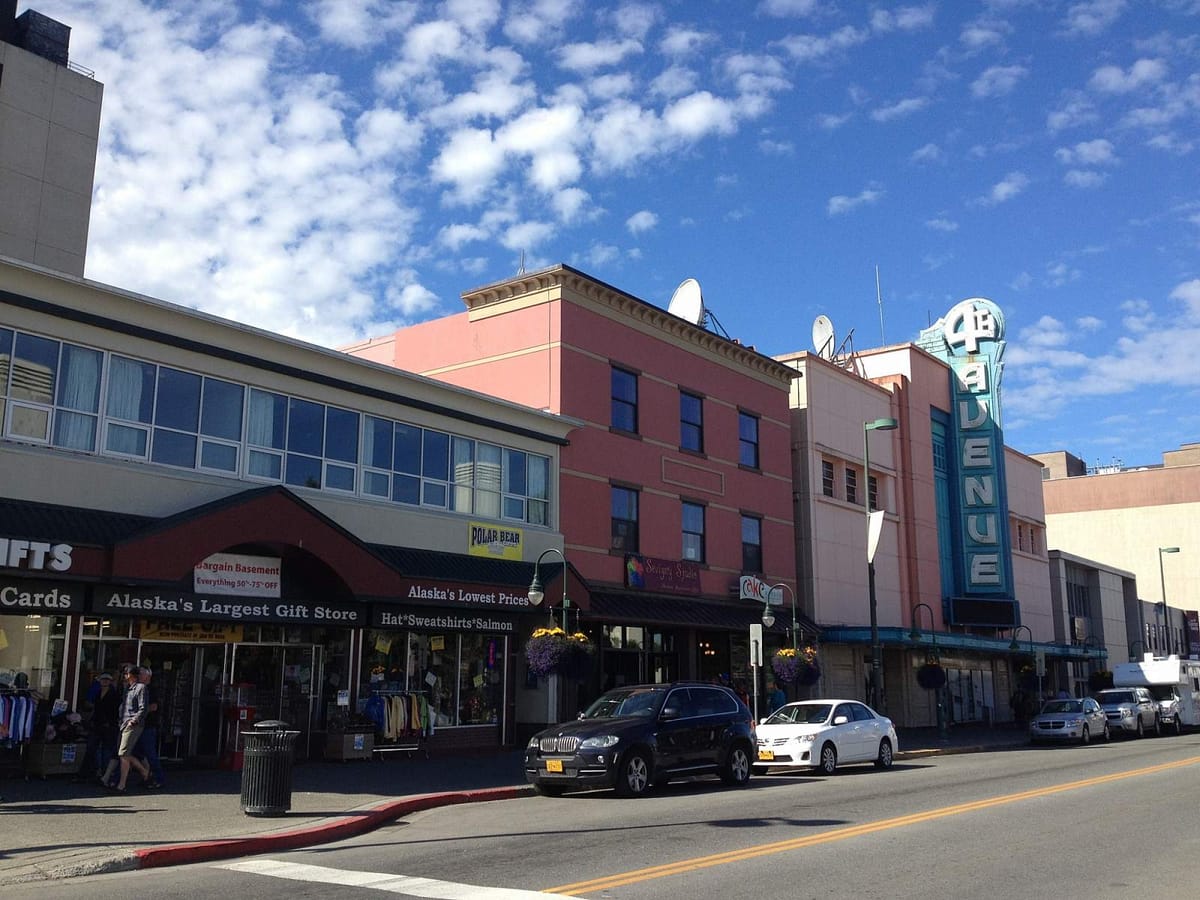
The Lane Hotel was a two-storey wooden building at the corner of Fourth Avenue and C Street in downtown Anchorage. It dated from the 1910s, and its lobby had been remodelled in 1965-66 to include a coffee shop. City officials had inspected it and found it met the fire and safety rules of the day, although many locals regarded the old timber structure as a fire risk.
The fire started in a pile of linen inside the building. Fourteen people died, making it the deadliest fire in Anchorage's history and the worst single killing of its kind in Alaska. Hotel fires with double-figure death tolls have a long history in the United States. The deadliest, at the Winecoff Hotel in Atlanta in 1946, killed 119 people.
Arrest and confession
Thessen was an unemployed cook from New Jersey who had left the Air Force a few months earlier. He had applied for a cook's job at the Lane Hotel a few days before the fire and had been turned down.
About a month later, a series of fires broke out around Anchorage. An Army private, Robert Daugherty, saw a suspect at one of them and noted a licence plate number. Police traced the car to Thessen, who had previously worked at venues that had suffered serious fires, including the officers' club at Elmendorf Air Force Base.
He was held on 10 October 1966 on a drink-driving charge. During interrogation he admitted a number of other local fires, and then, after further questioning, the Lane Hotel fire. On 12 October he dictated a written confession. A special grand jury indicted him on 14 counts of murder committed during an arson and on 10 counts of second-degree arson. In legal terms, felony murder means a killing that happens while another serious crime is being carried out.
The trial and verdicts
The trial took place in Anchorage in the spring of 1967. The prosecution relied on his confession and on his statements to a psychiatrist who examined him for the court. It also relied on the similar way in which the other fires had been started. The defence challenged these items of evidence.
On 3 June 1967 the jury found him not guilty of first-degree murder but guilty of the lesser offence of manslaughter on all 14 counts. By choosing manslaughter, the jury accepted that he had set the fire but had not intended to kill anyone. Reports before sentence said he faced a possible total of 195 years.
The sentences and first appeal
The court imposed three consecutive 20-year sentences, meaning they ran one after another. The other 11 manslaughter counts each carried 20 years, to run concurrently with the rest. The result was an effective term of 60 years.
Thessen appealed. In May 1969 the Alaska Supreme Court affirmed the convictions. It rejected arguments that his confession should have been excluded, finding that he had been warned of his rights under the US Supreme Court's Miranda ruling and had chosen to speak. It also held that evidence of the October fires was relevant to who had started the hotel blaze, because the methods were so similar. His objections to the length of his sentences were treated as a request for sentence review. The court said it had no power to hear such a request at that time.
The double jeopardy ruling
In February 1971 Thessen applied for post-conviction relief, a route for challenging a sentence after the ordinary appeal has finished. He argued that one act of arson could not support 14 separate punishments. He said this breached the ban on double jeopardy, which is the rule against being punished twice for the same offence, in the Alaska Constitution.
The Alaska Supreme Court ruled in his favour on 13 April 1973. The majority reasoned that the jury had found no intent to kill. Only one statute had been broken by a single act, so the Alaska Constitution allowed one punishment, not many. In effect, one 20-year sentence stood. There was at least one dissent, which argued that the decision was wrong.
Later developments and legacy
The decision was applied in later Alaska cases involving several deaths from one act. The Alaska Supreme Court declined to revisit it in 1980. The legislature then passed a law in the 1980s intended to reverse the outcome in cases like Thessen's. In State v. Dunlop in 1986, the Alaska Supreme Court said Thessen had been wrongly decided and overruled it. It held that Alaska's double jeopardy protection does not bar separate sentences for separate victims where one statute is violated several times.
Thessen did not live to see that change. According to a reply from the Alaska Department of Corrections to a reporter's enquiry, he was stabbed to death at Leavenworth Penitentiary in Kansas on 27 June 1974. He was serving a 20-year sentence for manslaughter and second-degree arson.
Why the case still matters
The Thessen case is remembered for two reasons. The fire itself remains the largest loss of life from a single crime in Alaska. And the litigation that followed shows how courts balance the number of lives lost against the number of acts committed when deciding punishment. The way Alaska law treats that question today is largely a response to the 1973 ruling.