
Bobbie Sue Hodge: the 2019 Edgewood fire and 180-year sentence
On 9 May 2019 a fire tore through a townhouse in Edgewood, Maryland, and four people died. More than six years later, on 1 July 2025, Bobbie Sue Hodge, then aged 66, was sentenced in Harford County to life in prison with all but 180 years suspended. This article sets out what the court heard, why the case was tried twice and how the sentence is made up.
The fire of 9 May 2019
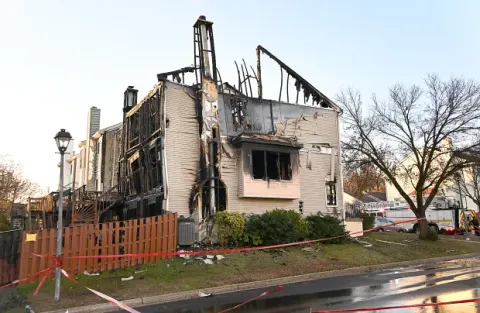
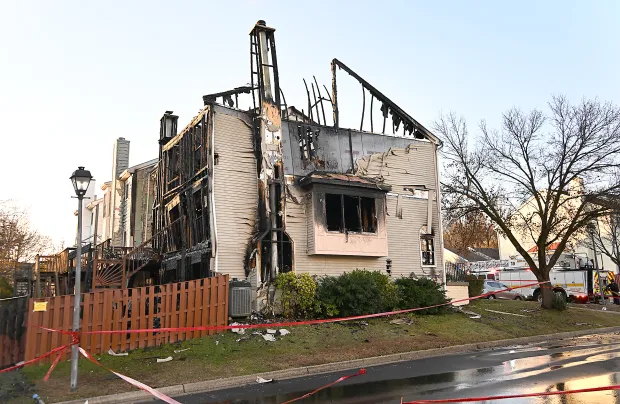
Prosecutors said a fire was reported at a dwelling on Simons Court, Edgewood, at about 2.30am. The Joppa-Magnolia Volunteer Fire Company responded to put out the blaze and rescue the people inside.
Three residents died from smoke inhalation and thermal injuries. A fourth was brought out by firefighters but died of her injuries about eight months later. Five neighbouring townhouses were also damaged. Investigators concluded that the cause was incendiary, meaning the fire was started deliberately by putting an open flame to combustible material.
What the prosecution said about Hodge
According to the Harford County State's Attorney's Office, Hodge rented a room in the basement of the house. Investigators said she escaped the fire fully clothed and carrying her belongings and personal documents.
The prosecution case also included the following points:
- Hodge was due to be evicted from the home.
- She had repeatedly left the kitchen stove switched on.
- She had made remarks that the house should be burned down.
- Witnesses said they saw her moving away from a couch on the second floor as the fire began.
These were the facts the prosecution put forward in support of the conviction. They were presented to the court, and the court's verdict rested on them.
The first trial and the appeal
Hodge was first convicted in 2022 of first-degree arson and four counts of felony murder. The Appellate Court of Maryland later sent the case back for a new trial. Its reason was procedural rather than a finding about the fire itself. The original trial court had not held a hearing to establish whether Hodge had asked to dismiss her lawyer before the trial.
In plain terms, a defendant who wants to discharge their lawyer is entitled to have that request looked at properly by the judge. When that does not happen, an appeal court can set the conviction aside and order the case to be heard again. This is what occurred here, and the case went back before the Circuit Court for Harford County.
What felony murder means
Felony murder is a form of murder charge used in many US states. A person can be convicted if someone dies during the commission of a serious crime, in this case arson, without the prosecution having to show a separate intent to kill. Hodge was convicted on four such counts, one for each person who died. She was also convicted on three counts of second-degree assault.
The sentence in July 2025
Judge Paul W. Ishak imposed the sentence at the retrial. The Harford County State's Attorney's Office reported the following terms:
- 40 years for each of the four counts of first-degree felony murder.
- 20 years for each of the three counts of second-degree assault.
- A life sentence with all but 180 years suspended, which the office described as an aggregate of 180 years to serve.
A suspended sentence means part of the term is formally imposed but not served unless the court later orders it. Here, the life term hangs over the 180 years that Hodge must actually serve.
Prosecutors said the new conviction and sentence meant Hodge would serve more time than she would have under her original 2022 sentence before she could be considered for parole. State's Attorney Alison Healey said her office had overcome obstacles to secure a sentence that would keep Hodge from being a danger to society again.
Why a sentence of 180 years is imposed
Sentences measured in well over a human lifetime may look symbolic, but they have practical effects in the American system. Where a court orders terms to run one after another, the total can push back the date on which a prisoner first becomes eligible for parole. In Maryland, that is the point at which a parole board may consider release. Prosecutors in this case stressed that effect when comparing the new sentence with the 2022 one.
The figures reported by prosecutors give 180 years as the total to serve. This article uses that figure, which comes from the prosecution's own announcement.
Where the case stands
The reports reviewed do not indicate whether Hodge has lodged a further appeal against the retrial verdict or the new sentence. Convictions in Maryland can be challenged, and the earlier history of this case shows that appeal courts can order a retrial.
The case shows how procedure can shape an outcome. A conviction that looked final in 2022 was reopened because of a missed hearing about legal representation, and the retrial led to a sentence that prosecutors said was longer in practical terms. For the families of the four people who died, the case spanned more than six years between the fire and the final sentence.