
Russell Brand convicted of rape and three sexual assaults
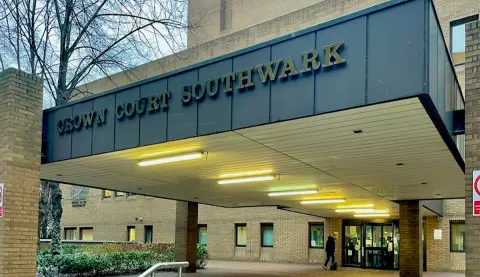
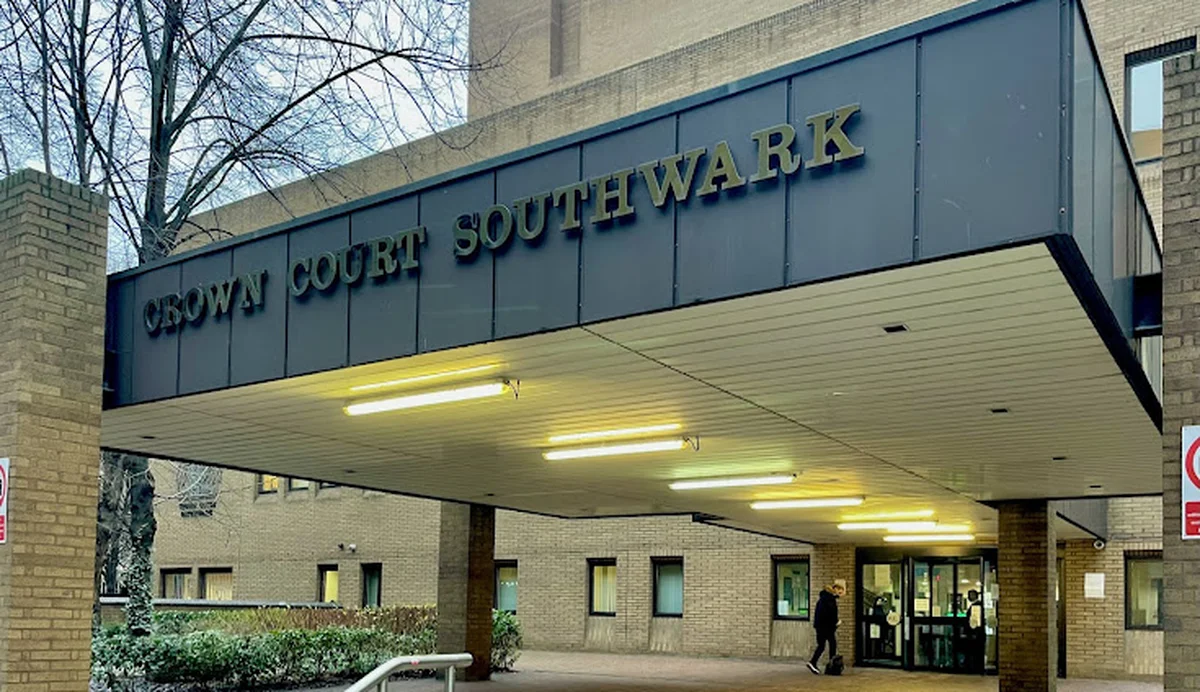
A jury at Southwark Crown Court in London found the comedian and actor Russell Brand, 51, guilty of one count of rape and three counts of sexual assault on Thursday 5 November 2026. He was acquitted of two other counts of rape and one count of attempted indecent assault. He had pleaded not guilty to all seven charges and consistently denied wrongdoing. He is due to be sentenced on Monday 9 November 2026. This article reflects the position as of 7 November 2026.
The verdicts
The jury of eight men and four women deliberated for around eight and a half hours. The trial had lasted about four weeks. The jury convicted Brand in relation to four women and found him not guilty on the counts concerning the other two complainants.
The convictions relate to incidents between 2004 and 2009. Two of the sexual assault convictions date from around 2004. The rape conviction and the third sexual assault conviction relate to 2009. The six complainants gave evidence and are entitled to lifelong anonymity, so this report does not identify them or describe their accounts in detail.
The charges and how the case developed
The case grew out of a joint investigation by The Sunday Times and Channel 4 in 2023, in which several women made allegations against Brand. The Metropolitan Police began its own inquiry in September 2023.
| Date | Development |
|---|---|
| April 2025 | Brand was charged over alleged incidents involving four women between 1999 and 2005. |
| 2 May 2025 | He appeared at Westminster Magistrates' Court and was granted conditional bail. The case was sent to the Crown Court. |
| 30 May 2025 | He pleaded not guilty to five counts at Southwark Crown Court. |
| December 2025 | Two further charges, one of rape and one of sexual assault, were brought over alleged incidents in 2009. |
| 2026 | All seven charges were combined into one trial. The start moved from June to October. |
| 5 November 2026 | The jury returned its verdicts. |
Combining the charges meant a single jury heard the evidence of all six complainants. That is a common approach when allegations are alleged to show a similar pattern, although the jury must consider each count separately. Its mixed verdicts show it did so.
What was argued at trial
The prosecution said Brand used his fame and status to pursue women regardless of their wishes. After the verdicts, a senior Crown Prosecution Service lawyer described the evidence in strong terms, and police said Brand had used his influence to exploit women.
The defence case was that the encounters were consensual or did not happen as alleged. Brand gave evidence and said that consent is essential. His barrister told the jury in closing that publicity around the allegations had "poisoned the well of justice". He argued that this had shaped the accounts of some complainants. Brand's wife, Laura Gallacher, gave evidence about his character as a father. Character evidence of this kind is not proof that an offence did or did not happen. It is a matter the jury may weigh.
Custody and sentencing
Mr Justice Bennathan, the trial judge, remanded Brand in custody after the verdicts. Remanded in custody means a defendant is held in prison until the next hearing rather than released on bail. The judge told him the verdicts carried a significant custodial term. Brand's lawyer applied for bail so that he could spend the weekend with his wife and three young children. The judge refused, saying there were substantial grounds to fear that he might not return for sentence.
Rape carries a maximum sentence of life imprisonment in England and Wales. The judge will set the sentence for each conviction using sentencing guidelines. These look at the seriousness of the harm and the offender's culpability, and at any aggravating or mitigating factors. The judge can order sentences to run at the same time or one after another. Sentences for the older allegations are limited by the maximum that applied when the offences were committed. The sentence, once passed, will be reported in full.
Other investigations and appeals
Police have said that further allegations involving Brand, including two of rape, remain under investigation. Brand has not been charged in relation to them. As in any such case, he must be presumed innocent of any matter on which no charge has been brought or no verdict reached.
A defendant convicted in the Crown Court can seek permission to appeal to the Court of Appeal against conviction, sentence or both. Permission is first considered on the papers by a single judge, and the application must normally be made within 28 days. At the time of writing, no appeal has been reported.
What happens next
The sentencing hearing at Southwark Crown Court on 9 November 2026 is the next step. The judge will hear from the prosecution and defence and consider any victim impact material before passing sentence. VerdictWorld will report the outcome and any application to appeal.