
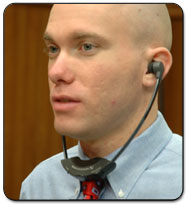
How court interpreters help defendants follow a trial
A defendant who cannot understand the language of the court cannot take a full part in their own trial. Court interpreters help close that gap, under rules that protect the right to a fair trial.
Court procedure explained plainly: pleas, pre-trial hearings, bail, disclosure and the standard of proof, with notes on how legal systems differ around the…
A defendant who cannot understand the language of the court cannot take a full part in their own trial. Court interpreters help close that gap, under rules that protect the right to a fair trial.
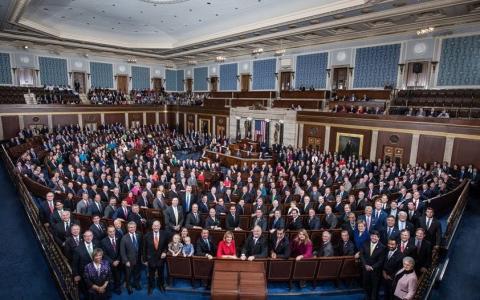
Courts in England and Wales can limit what the media publishes about a case. This guide explains the main types of reporting restriction, why they exist and what happens if they are breached.

A criminal case starts with a formal accusation, but the document and the process differ by system. This guide explains charges, indictments and informations, and the role of the grand jury.
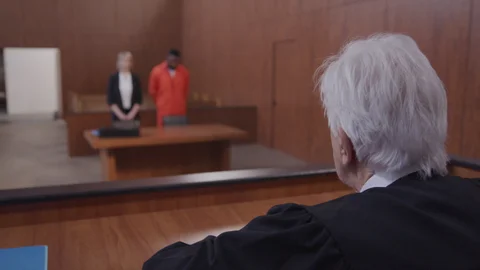
A criminal plea is the defendant's formal answer to a charge. This guide explains what guilty, not guilty and no contest pleas mean and how each shapes what happens next.

A pre-trial hearing settles how a criminal case will proceed. It decides whether a defendant is released on bail, what evidence is shared and when the trial will take place.
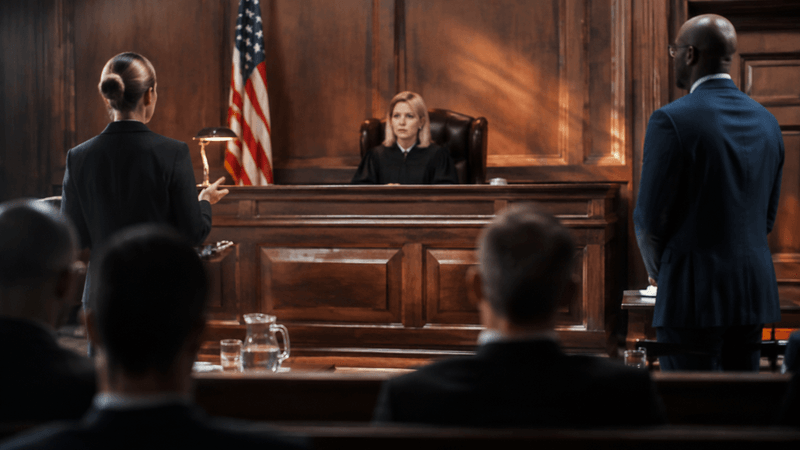
Beyond reasonable doubt is the test prosecutors must meet to secure a conviction. This guide explains what the standard of proof means, who carries the burden and how courts describe it to juries.