
Keith Blakelock: the 1985 murder, the trials and the acquittals
No one is currently convicted of the murder of PC Keith Blakelock, who was killed during the Broadwater Farm riot in Tottenham, north London, on 6 October 1985. Three men were convicted at the Old Bailey in March 1987, but the Court of Appeal quashed those verdicts in 1991. A man tried for the killing in 2014 was cleared by a jury. This article sets out what happened and how the courts dealt with the case.
The night of 6 October 1985
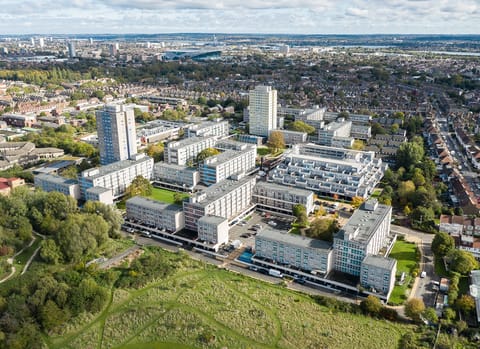
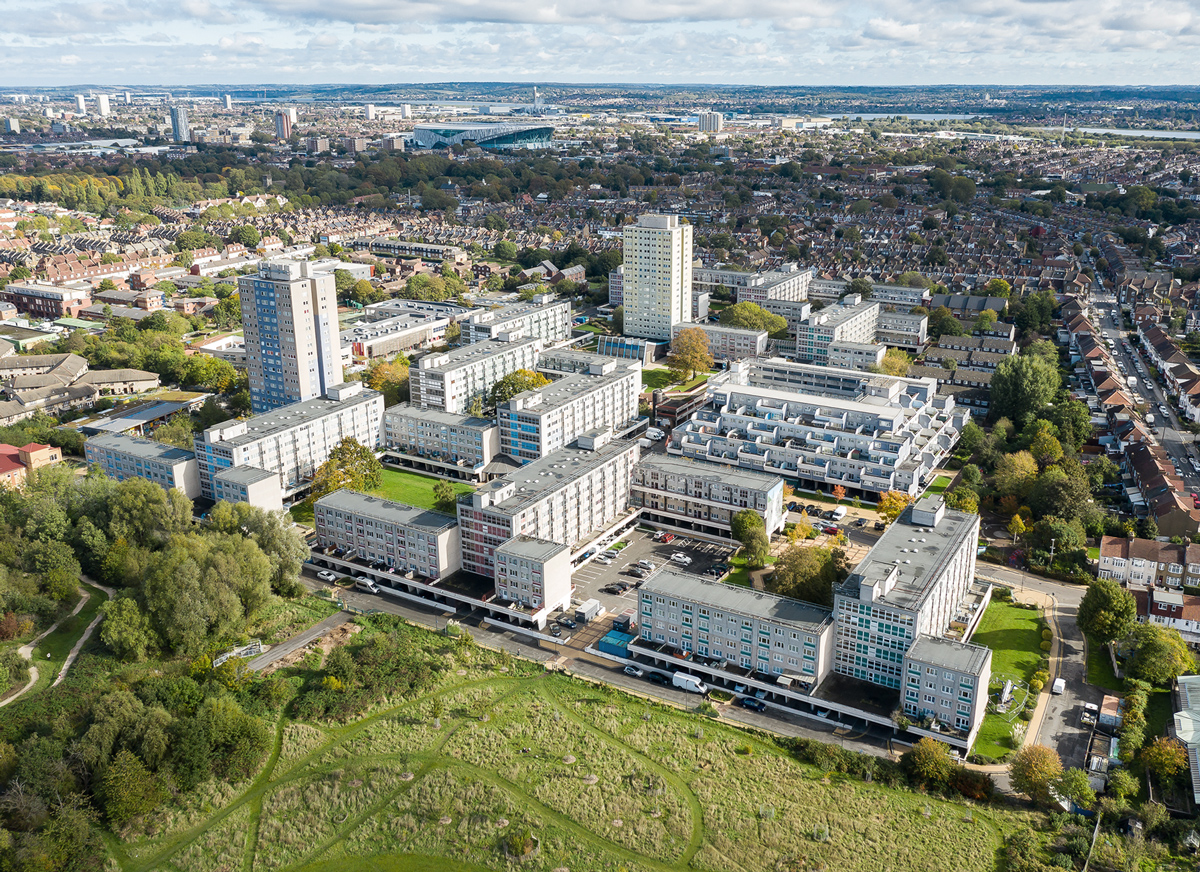
The riot on the Broadwater Farm estate followed the death of Cynthia Jarrett, 48, on 5 October. She collapsed and died of a heart attack while police searched her home, in circumstances that were disputed. Her son Floyd had been arrested the day before.
On the evening of 6 October, firefighters tackling a blaze at a supermarket on the estate came under attack. A police unit known as Serial 502, which included PC Blakelock, was sent to protect them. The officers were not equipped for crowd control and were heavily outnumbered. They were driven back by a far larger group of rioters.
PC Blakelock, aged 40, stumbled and fell. He was surrounded and attacked with knives, machetes and other weapons, and he died of his injuries. He was born in Sunderland and left a wife and three sons. His death was the third time a police officer had been killed in a riot in Britain since 1833, and all three officers served with the Metropolitan Police.
The 1987 trial and convictions
Six people were charged with his murder: three adults and three juveniles. The trial began at the Old Bailey in January 1987 and ran for several weeks. On 19 March 1987 the jury returned unanimous guilty verdicts against the three adult defendants, Winston Silcott, Engin Raghip and Mark Braithwaite, who became known as the Tottenham Three. They were sentenced to life imprisonment, and the judge recommended that Mr Silcott serve at least 30 years.
There were no eyewitnesses and no forensic evidence linking the men to the killing. The case rested on what police said the men had told them in interviews. Mr Silcott was already serving a sentence for a separate murder, that of Anthony Smith in December 1984, for which he was convicted in February 1986.
Why the convictions were quashed
Doubts over the interview records
Campaigners pressed for a review. Forensic testing using an electrostatic detection device on key pages of the interview notes suggested that they had been altered after the event. The Home Secretary added Mr Silcott and Mr Braithwaite to an appeal already lodged for Mr Raghip.
The Court of Appeal ruling
The Court of Appeal heard the case on 25 November 1991 and quashed all three convictions after a short hearing. It gave its full written decision on 5 December. The defence argued that Mr Silcott's interview notes were unreliable. They also argued that Mr Raghip's suggestibility and Mr Braithwaite's lack of access to a lawyer made their confessions unsafe. Mr Raghip's mental impairment was a central issue in his case.
Mr Braithwaite and Mr Raghip were released after about four years in prison. Mr Silcott stayed in custody for the Smith killing and was released on licence in October 2003. He later received compensation, including £17,000 after the quashing of his conviction and a further £50,000 in an out-of-court settlement with the Metropolitan Police.
Two detectives were charged in 1992 with perverting the course of justice. They were acquitted in 1994.
Reopened inquiries and the 2014 trial
Police reopened the murder inquiry in 1992 and again in 2003. In 2010 detectives arrested a number of men on suspicion of involvement, and all but one were released without charge.
On 23 July 2013 prosecutors charged Nicholas Jacobs, then aged 44, of Hackney, with the murder. He was the seventh person to be charged over the killing. He went on trial at the Old Bailey on 3 March 2014 and denied the charge.
The prosecution relied largely on three witnesses who said he had used a knife in the attack. The jury also heard that he told an officer in May 2000, when arrested for an unrelated matter, that he had been involved in the killing. The jury heard that some witnesses would themselves have faced charges had they not been granted immunity. The defence argued that the witnesses were unreliable and motivated by reward money. Mr Jacobs did not give evidence.
On 9 April 2014 the jury found him not guilty of murder and manslaughter. The Crown Prosecution Service said it had been right to bring the case. PC Blakelock's family said they had seen the trial as a chance of justice and expressed regret that nobody had been convicted.
Where the case stands
The killing of PC Blakelock remains officially unsolved in the sense that no conviction stands. The 1987 verdicts were set aside because the evidence behind them could not be relied on. The 2014 verdict ended the only prosecution to reach a jury since then. In open court, lawyers for the police later accepted that Mr Silcott had not killed the officer.
Why the case matters
The case is often cited in discussion of confession evidence and the safeguards around police interviews. It shows how scientific testing can unpick a conviction years later. It also shows the difficulty of prosecuting a decades-old killing that depends on witnesses recalling events from long ago. PC Blakelock is buried in East Finchley, and his son Lee later joined the police.