
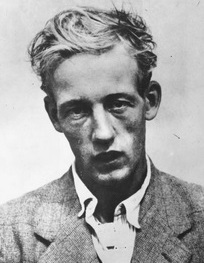
The Crimes of John Straffen: A Historical Overview
Introduction
John Thomas Straffen, born on 27 February 1930, became known as one of the most infamous serial killers in British history. Over the span of less than a year, he was responsible for the tragic murders of three young girls in Somerset and Berkshire. His case not only shocked the nation but also raised critical discussions surrounding mental health and the legal system at the time.
Early Life and Background
Straffen was born in Bordon Camp, Hampshire, into a large family as the third of six children. His early life was relatively unremarkable until he contracted encephalitis at the age of six, which reportedly led to significant changes in his behaviour. After his family returned to the UK from British India in 1938, Straffen began exhibiting antisocial tendencies, including petty theft and truancy. His behaviour eventually caught the attention of authorities, leading to interventions that would label him as mentally defective.
The Murders
First and Second Victims
Between July and August 1951, Straffen committed the murders of two girls in Bath, Somerset. The first victim was five-year-old Brenda Goddard, whom he lured away under the pretext of helping her across a fence. After strangling her, he left her body in a nearby area before continuing to a cinema. A month later, he murdered nine-year-old Cicely Batstone in a similar manner.
Apprehension and Initial Trial
Straffen was arrested shortly after the murder of Cicely Batstone on 9 August 1951. During his trial at Taunton Assizes in October that year, he was deemed unfit to plead due to his mental state and was committed to Broadmoor Hospital for the criminally insane. At this trial, his defence highlighted his mental deficiencies, which played a significant role in the court's decision.
Escape and Third Murder
In April 1952, Straffen managed to escape from Broadmoor, leading to a brief period of freedom. During this time, he committed a third murder, that of five-year-old Linda Bowyer in Farley Hill, Berkshire. This crime occurred just hours after his escape, further demonstrating his dangerousness and the systemic failures that allowed him to evade custody.
Second Trial and Sentencing
Following his recapture, Straffen was brought to trial again at Winchester Assizes in July 1952 for the murder of Linda Bowyer. The jury took only twenty-nine minutes to reach a guilty verdict. He was initially sentenced to death, a sentence that was later commuted to life imprisonment after intervention from the Home Secretary, who recommended a reprieve to the Queen.
Life in Prison and Legacy
Straffen spent the next fifty-five years in various institutions, ultimately dying of natural causes in HM Prison Frankland in November 2007. At the time of his death, he held the record as the longest-serving prisoner in British history. His case continues to be referenced in discussions surrounding mental health and criminal responsibility within the judicial system.
Conclusion
The story of John Straffen serves as a chilling reminder of the complexities involved in criminal behaviour, particularly when mental health issues intersect with the legal system. His crimes caused immense suffering and raised significant questions that resonate in discussions about justice and mental health care to this day.