

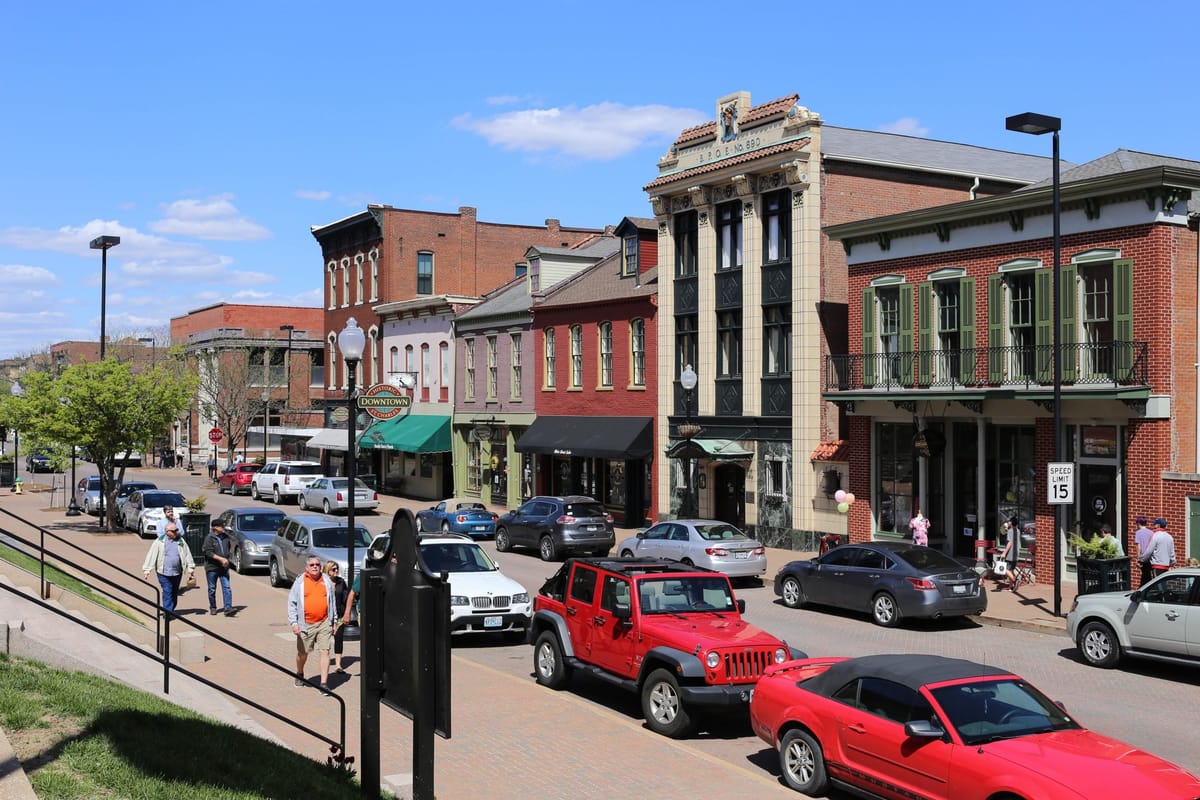
Ken McElroy: convicted of assault in 1981, killing never prosecuted
Ken Rex McElroy was convicted of second-degree assault in June 1981 after shooting a 70-year-old grocer in Skidmore, Missouri. He was shot dead in the town on 10 July 1981, while free on bond pending his appeal. More than four decades later, no one has been charged with his killing. This article covers the court proceedings that involved him and what happened afterwards. It is not an account of any alleged killer, because nobody has been charged or convicted, and the presumption of innocence applies to everyone.
Who Ken McElroy was
McElroy, born in 1934, lived in and around Skidmore, a small farming town in Nodaway County, in the north-west of Missouri. Reports from the period describe him as a man accused of a long list of offences, including assault, theft of livestock, arson and sexual offences involving minors. Accounts differ on the exact number of cases brought against him, but they agree that he faced repeated prosecutions and avoided conviction in most of them.
Residents later said that threats and intimidation of witnesses were a large part of the reason. Skidmore had no police force of its own, so complaints went to the county sheriff and to state authorities.
The earlier cases
One well-known earlier case arose from a 1976 complaint by a local farmer, who said McElroy had shot him with a shotgun after an argument about firearms being used on his land. At trial, defence witnesses testified that McElroy was somewhere else that day. He was acquitted, which means a jury found him not guilty.
Cases like this shaped local opinion. Many residents came to believe that the courts could not protect people who gave evidence against him.
The Bowenkamp shooting and the 1981 conviction
In 1980 McElroy shot Ernest "Bo" Bowenkamp, the town's grocer, in the neck. Mr Bowenkamp survived. Reports say the shooting followed a dispute linked to an accusation of shoplifting against one of McElroy's children.
McElroy was arrested by a state highway patrol officer and tried. Mr Bowenkamp gave evidence, and in June 1981 a jury convicted McElroy of second-degree assault. In plain English, that is a serious violent offence in Missouri law, but one that ranks below attempted murder. Some retellings describe the conviction as one for attempted murder, but published accounts of the verdict give it as second-degree assault.
Sentence and bond
The sentence was two years in prison. The court did not send him to prison straight away. It released him on bond while he appealed. Bond is a sum of money, or a promise to pay it, that a defendant lodges to stay free until the next stage of the case. Some accounts put it at $40,000.
Many people in Skidmore found this release hard to accept. Within days, residents said McElroy had been seen carrying a gun, which would breach his bond conditions. Several people signed affidavits, which are written statements made on oath, and prosecutors prepared to ask the court to revoke his bond.
10 July 1981
A hearing on revoking the bond was due on 10 July 1981. Residents who expected to attend learned that it had been rescheduled. A group of townspeople gathered to talk about the situation and how to protect the witnesses.
McElroy came into town that morning with his wife, Trena. After a drink at the D&G Tavern, he went to his pickup truck. He was shot while sitting in it on the main street, in front of a crowd that accounts estimate at between 30 and 46 people. Investigators found that more than one firearm had been used.
The investigation and why no one was charged
Officers from the sheriff's office and state agencies investigated. Witnesses who were asked what they had seen largely said they had seen nothing. Trena McElroy named one man as the person who fired. The local prosecutor decided not to bring charges, and grand juries that later looked at the case did not return an indictment. A grand jury is a panel of citizens that decides whether there is enough evidence to charge someone formally.
The case remains officially unsolved. Missouri has no limitation period for murder, so a charge could in theory still be brought, but nothing has been made public to suggest that one is likely.
The civil claim
Trena McElroy also brought a civil claim for wrongful death. Reports say it ended in a modest settlement of around $17,000, paid by some of those named as defendants. A civil case is decided on a different standard of proof from a criminal one and does not establish guilt for a killing.
Legacy
The case drew national and international attention. It was the subject of the 1988 book In Broad Daylight by Harry N. MacLean, which was later adapted for television, and of documentary programmes. Commentators have used it in debates about vigilantism, the safety of witnesses and the limits of small-town policing. Those debates are separate from the legal record, which is short: one assault conviction in 1981, one unsolved killing and no prosecution.
Where to find the primary records
Readers who want to check the details should start with Nodaway County court records, the Missouri appellate court files for the assault case and the local prosecutor's statements. Contemporary newspaper coverage and the author's published research are also useful. The legal position is that no one has been convicted of killing Ken McElroy.