
Crime of aggression: why a special tribunal for Ukraine is proposed
The crime of aggression is the offence of planning or launching a war that plainly breaks the United Nations Charter. No existing international court can currently try the people responsible for the full-scale invasion of Ukraine on that charge. A special tribunal was proposed to fill the gap. It has since been created on paper, and work to make it operational is under way.
What the crime of aggression is
Aggression differs from war crimes. War crimes concern how a conflict is fought, such as attacks on civilians or the mistreatment of prisoners. Aggression concerns the decision to resort to force in the first place. It is a leadership crime, aimed at those in a position to direct a state's political or military action, not at ordinary soldiers.
Its roots lie in the post-war trials at Nuremberg and Tokyo, where senior figures were prosecuted for waging aggressive war. The offence is now defined in the Rome Statute of the International Criminal Court (ICC), which requires an act of aggression that is, by its character, gravity and scale, a manifest violation of the United Nations Charter.
Why the International Criminal Court cannot step in
The ICC has been investigating Ukraine for some time, and it has issued arrest warrants relating to alleged war crimes, including the alleged unlawful deportation of children. Its reach over aggression is far narrower than its reach over other crimes.
When states agreed to give the ICC power over aggression, they attached stricter conditions than apply to genocide, crimes against humanity or war crimes. In broad terms, the court cannot prosecute aggression involving nationals of a state that is not party to the Rome Statute, unless the United Nations Security Council refers the situation. Russia is not a party to the Rome Statute and holds a veto on the Security Council, so that route is effectively closed.
The result is that the ICC can examine what happened on the ground in Ukraine but not the decision to invade. That is the gap the special tribunal is designed to address.
How the special tribunal was designed
The path to an agreement
Ukraine and its supporters called for a dedicated court soon after the full-scale invasion in 2022. The Parliamentary Assembly of the Council of Europe and the European Parliament both backed the idea. A group of states, later involving senior legal experts from around 40 countries, worked with Ukraine, the Council of Europe and European Union lawyers on the form it should take.
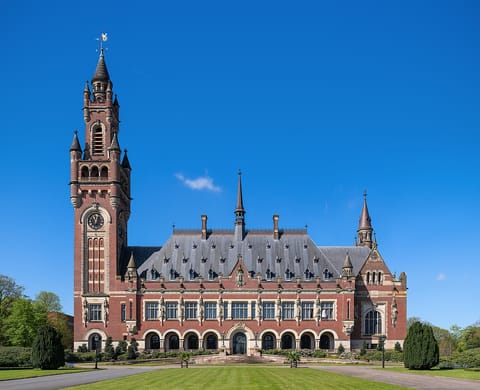
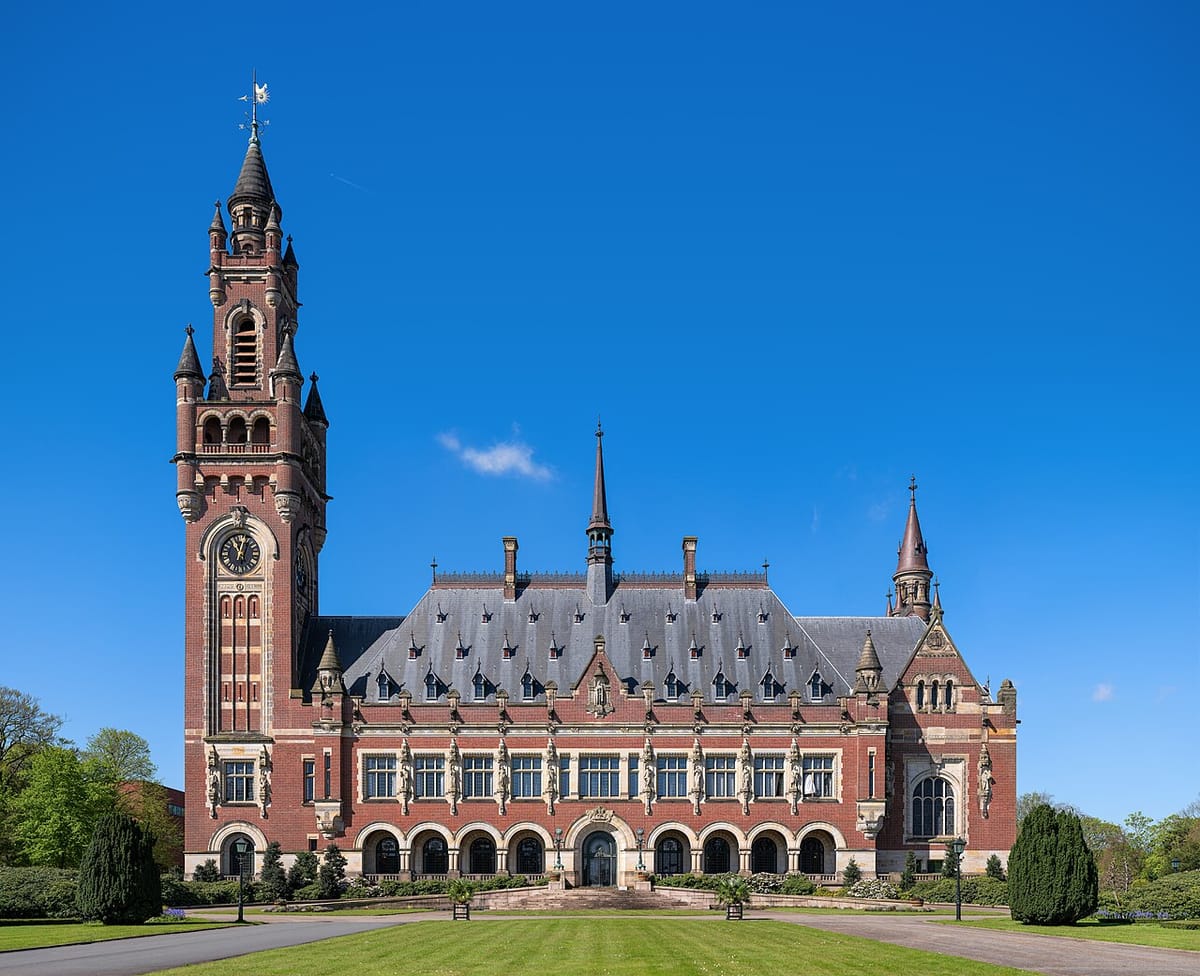
Several models were considered, including a court created by the United Nations and a court created by treaty. The option adopted was a treaty between Ukraine and the Council of Europe. That agreement was signed in Strasbourg on 25 June 2025 and includes the tribunal's Statute. Ukraine's parliament has ratified it, and the Council of Europe and the European Union have agreed funding for an advance team. In May 2026 member states and partners adopted a resolution creating the body that will manage the tribunal. The tribunal is expected to sit in The Hague.
Who could be prosecuted
The tribunal is intended to deal with those said to bear the greatest responsibility for the crime. Its jurisdiction rests on Ukraine's right to prosecute crimes committed on its own territory. The Statute builds on the ICC definition of aggression and adds reference to a United Nations General Assembly resolution on what constitutes aggression. It also states that amnesties do not bar prosecution.
Immunity and trials in absentia
The hardest legal question is immunity. Under customary international law, a serving head of state, head of government and foreign minister, often called the troika, enjoy personal immunity from prosecution by foreign courts while in office. The Statute removes immunity based on official position for aggression, so officials cannot rely on their role once they have left office. It does not remove the personal immunity of serving members of the troika.
In practice, a prosecutor may investigate and prepare an indictment against a serving member of the troika. Proceedings are then suspended until that person leaves office or a waiver is given. Below that level, the tribunal may in principle proceed against other senior figures.
The Statute also allows trials in absentia, meaning a trial held without the accused present. It sets strict conditions, and a person convicted in absentia has the right to a full retrial if later brought into the tribunal's custody. Supporters see this as a way to proceed when suspects are beyond reach. Critics point out that such judgments are harder to enforce and may be questioned on fair trial grounds, which is why the safeguards matter.
Relationship with the ICC and other limits
The tribunal is meant to complement the ICC, not replace it. The Statute provides for co-operation between the two, and proceedings against a person at the tribunal are to be suspended if that person is transferred to the ICC. Ukraine's own prosecutors decide which files to refer, which raises questions about how independent the prosecutor will be in practice.
Significant challenges remain. Russia does not recognise the tribunal, so arrests depend on other states acting on warrants. Funding comes from a group of supporting states, and its long-term stability will matter.
Why it matters for international justice
Supporters argue that holding leaders to account for starting a war reinforces the rule against the use of force. They also say it gives Ukraine a legal route that no other court can currently offer. Sceptics ask whether a court built on a regional treaty can carry the weight of a universal one, and whether it will ever have defendants in the dock. Both views will be tested as the tribunal moves from agreement to operation. No one has been charged before it, and any allegation against an individual remains untested in court.