
Trapped and Unheard: The Death of Kyle Plush in Cincinnati
Few cases show so starkly how a short window can be lost between a cry for help and the arrival of rescue. On 10 April 2018, Kyle Plush, a 16-year-old student in Cincinnati, Ohio, died after becoming trapped in his own minivan, despite having phoned emergency services twice. His death was not a crime in the usual sense, but it prompted public anger, official reviews and lasting debate about how emergency calls are handled.
Who Was Kyle Plush?
Kyle was a pupil at the Seven Hills School in Cincinnati. Those who knew him described a bright, gentle teenager with a talent for science and a love of music and the outdoors. He was a well-liked member of his school community, and his family has since spoken of him as a thoughtful and curious young man.
What Happened on 10 April 2018
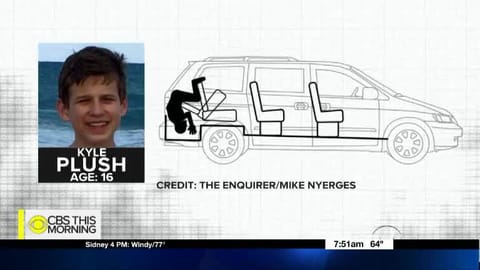
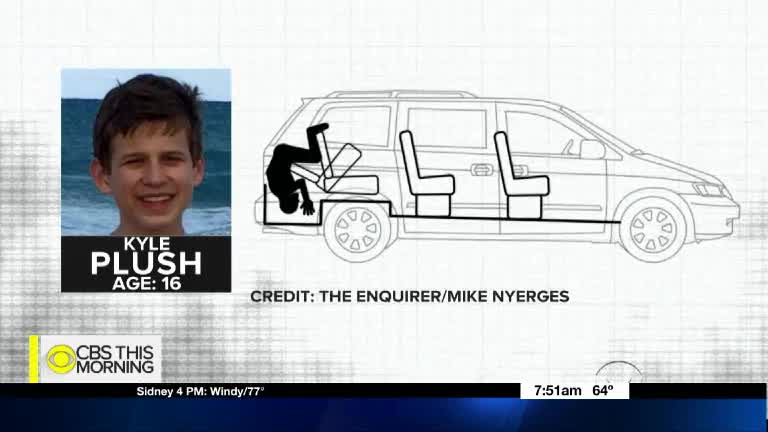
On the afternoon of 10 April, Kyle went to his Honda Odyssey in the school car park. According to accounts given by his family and by investigators, a rear seat in the vehicle folded and pinned him in a position from which he could not free himself. His phone was within reach, and he used it to call 911.
Recordings of the calls were later released and widely heard. In them, Kyle gave the impression of a calm but frightened young man who knew he was in serious danger. He described being stuck in a van and gave the name of the school. The calls were deeply distressing to hear, and they became central to understanding what went wrong.
The Response
Police officers were sent to the area after the first call, but they did not find him. The vehicle was parked in a spot where it was not immediately obvious that anyone was inside. A second call followed shortly afterwards, but the information passed to responders did not lead them to the right place. Officers left without locating him.
Kyle's family became concerned when he did not come home that evening. His father went to look for him and found him in the van at the school. Kyle had died. The cause was determined to be asphyxia from the position in which he was trapped, and his death was ruled accidental.
Why the Case Drew So Much Attention
The public reaction was swift. Several points made the case especially troubling:
- The calls were recorded. Hearing a teenager ask for help, and then learning that help did not reach him, was difficult for many people to accept.
- Location was the key problem. Mobile phones do not always give call-takers a precise position, particularly when a caller is in a large car park or on a campus with several buildings.
- The search was limited. Questions were asked about how thoroughly responders looked once they arrived and whether the information they held was adequate.
Reviews and Accountability
In the weeks that followed, Cincinnati officials acknowledged that the response had fallen short and that lessons had to be learned. Reviews examined how the calls were taken, how details were passed to officers and how the officers carried out their search. Attention fell on training, on the wording and handling of incident reports, and on the technology available to locate callers.
Those examinations led to commitments to change procedures and to improve how dispatchers and officers communicate. Kyle's family pressed for answers and for reforms, arguing that their son's death should lead to safer practice rather than be treated as an isolated misfortune. Campaigners and public figures took up the issue of whether emergency systems make the best possible use of the location data that modern phones can supply.
Questions About the Vehicle
The case also drew attention to the design of folding seats in family vehicles. Seats that fold or tilt can, in rare circumstances, trap a person if they are in the wrong position. The family and others raised concerns about how such risks are communicated to owners. Owners of any vehicle with folding rear seats are well advised to read the manual, avoid leaning into the cargo area alone where possible, and keep a phone within reach.
Lessons for Everyone
The death of Kyle Plush is a reminder of several practical points:
- Give the dispatcher every detail. If you can, state your exact location, a landmark and a description of your vehicle.
- Stay on the line. Where possible, remain connected so the call-taker can update responders.
- Be wary of folding seats. Take care when working near seat mechanisms, especially alone.
- Tell someone where you are. A quick message to a friend or relative can shorten a search.
A Lasting Legacy
Kyle Plush was 16, with his life ahead of him. His death was a tragedy for his family, his school and his city. It also became a case study in the gap that can open between a call for help and an effective response. The reforms that followed, and the continuing conversation