

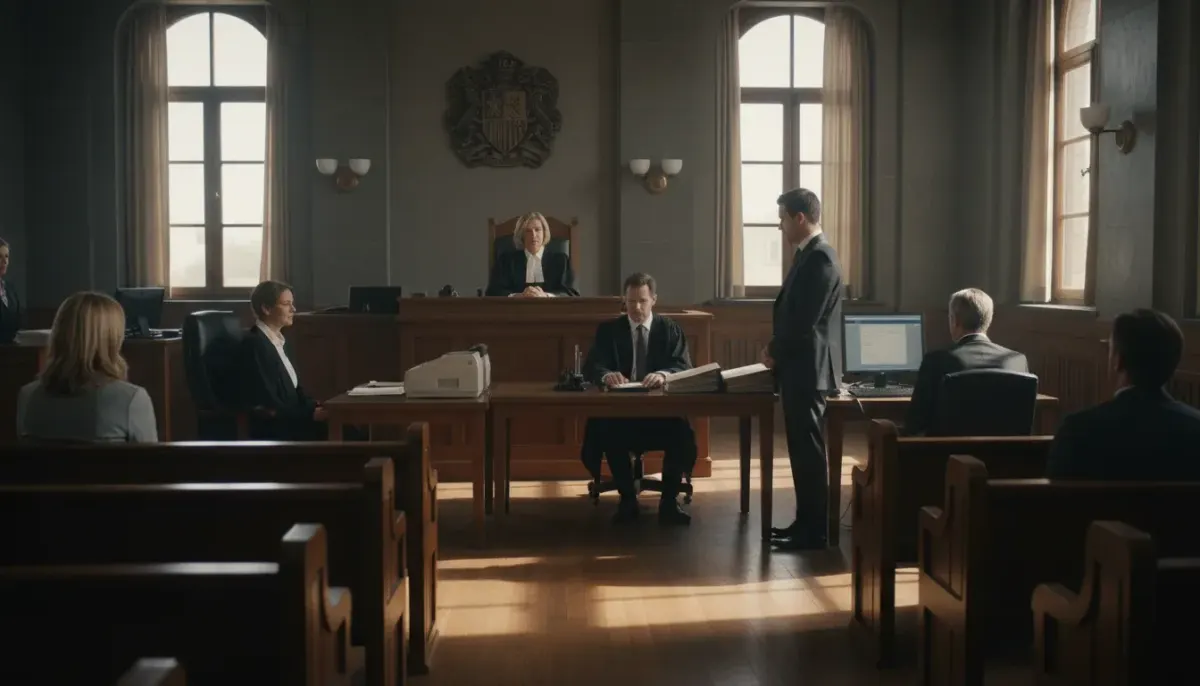
What happens at a sentencing hearing: a step-by-step guide
A conviction is not the end of a criminal case. Once a defendant has pleaded guilty or been found guilty, the court must decide what punishment is appropriate. That decision is made at a sentencing hearing, which can last a few minutes or most of a day. This guide explains the usual stages, using the system in England and Wales as the main example and noting where other countries differ.
What a sentencing hearing is for
The hearing is not a retrial. The question of guilt has been settled, and the court is concerned only with the right sentence. Courts generally weigh several aims: punishing the offender, protecting the public, reducing reoffending, deterring others and, where relevant, making amends to those harmed.
Sentencing can happen straight after a plea or verdict, particularly for less serious offences. In more serious or complicated cases the judge usually adjourns the case so that reports can be prepared and both sides can organise their submissions.
Before the hearing: preparing the material
The pre-sentence report
A pre-sentence report is written by a probation officer or similar professional at the court's request. It typically covers the circumstances of the offence, the defendant's background, the risk of reoffending, and what community or custodial options might be suitable. It is advice to the court. The judge does not have to follow its recommendations.
Other documents
The court may also receive medical or psychiatric reports, character references, and a record of the defendant's previous convictions. Victims may provide a personal statement describing how the offence has affected them. In some cases the prosecution will also prepare a note on the relevant sentencing guidelines.
Step by step in the courtroom
- The court sits. The defendant is normally present, either in the dock or by video link from custody. The judge confirms the offences for which sentence is to be passed.
- The prosecution outlines the facts. Counsel summarises what happened, sets out the defendant's criminal record and draws the court's attention to any factors that make the offence more serious. Where a case went to trial, the judge will already know the evidence. After a guilty plea, the summary is especially important.
- Victim material is presented. A personal statement may be read aloud or summarised. This helps the court understand the harm caused, but the victim does not choose the sentence.
- The defence speaks in mitigation. Mitigation means points put forward to reduce the seriousness of the offence or the appropriate punishment. Examples can include genuine remorse, an early guilty plea, a lack of previous convictions, personal circumstances, or evidence of steps taken to address the cause of the offending. Mitigation explains; it does not excuse.
- The judge may ask questions. Judges often test the submissions or ask for clarification before deciding.
- The sentence is passed. The judge gives sentencing remarks explaining the reasoning, the sentence and its practical effect. Remarks are usually delivered in plain language so the defendant and public can follow them.
How the judge reaches a decision
Judges do not simply pick a figure. In England and Wales, courts must follow sentencing guidelines issued by the Sentencing Council unless it would be contrary to the interests of justice. The guidelines usually guide the judge through two broad questions: how culpable the defendant was, and how much harm was caused or intended. The court then adjusts for aggravating factors, such as a abuse of trust or offending while on bail, and mitigating ones.
A guilty plea normally earns a reduction, with the largest discount for pleas entered at the earliest opportunity. Time already spent in custody on remand is generally taken into account when a prison term is imposed.
Types of outcome
- A discharge or fine for lower-level offences.
- A community order or a suspended sentence, which requires the defendant to comply with conditions to avoid prison.
- An immediate custodial sentence, expressed in months or years.
- For the most serious offences, a life sentence with a minimum term set by the court.
The judge may also make ancillary orders, such as compensation, a restraining order or a disqualification from driving, depending on the offence.
How practice differs elsewhere
This is only one model. In many United States courts, sentencing takes place weeks after the verdict, following a presentence investigation report, and statutory ranges or guidelines shape the outcome. In some civil law systems, guilt and punishment are decided together in a single judgment, often by a panel that may include lay members. Anyone following a case abroad should check the local rules rather than assume they match those described here.
After sentence: appeals and review
A defendant who believes a sentence is wrong in law or manifestly excessive can usually seek to appeal, though permission is often required and strict time limits apply. In England and Wales, the Attorney General can also ask the Court of Appeal to review a sentence thought to be unduly lenient, within 28 days. The