
Ted Bundy: the trials, death sentences and execution
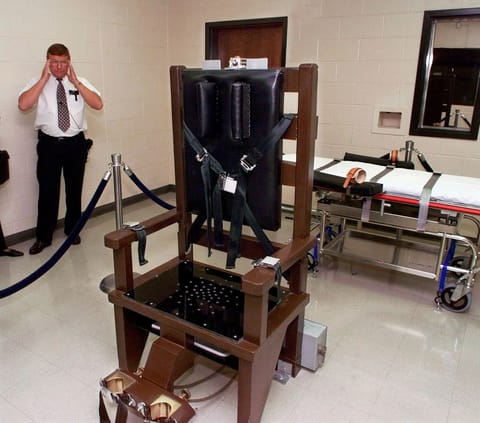
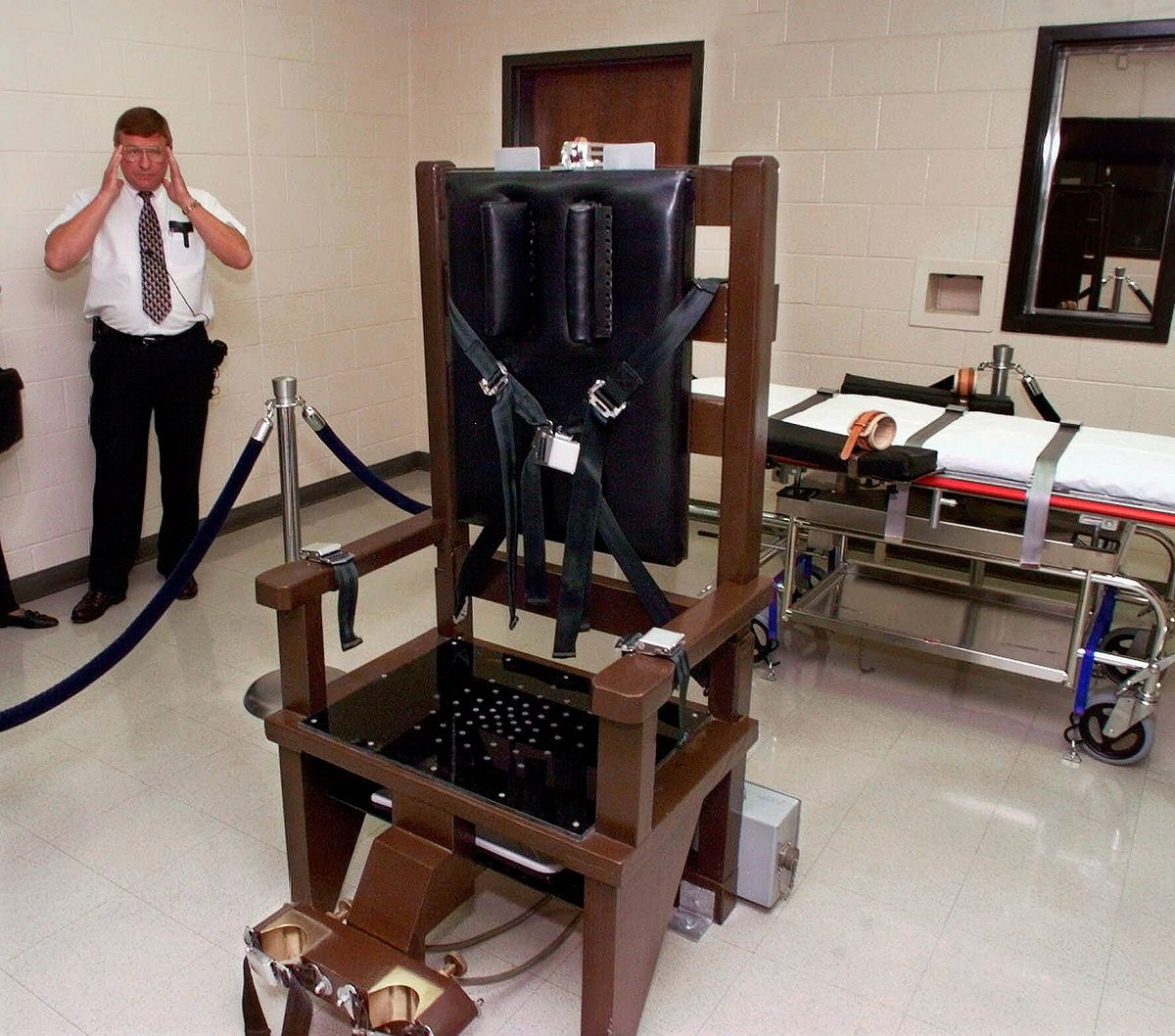
Theodore Robert Bundy was convicted in Florida in 1979 and 1980 of three murders and received a death sentence for each. He was executed in the electric chair at Florida State Prison on 24 January 1989. Before his death he confessed to 30 killings in several US states between 1974 and 1978. This article explains how he was caught, how the main proceedings unfolded and what the cases meant for the American courts.
Background and early investigations
Bundy was born in Burlington, Vermont, in 1946 and had no criminal record of note when the disappearances began. From 1974, young women went missing or were found dead in Washington and Oregon, then in Utah and Colorado. Detectives in different states were working separately, and early communication between forces was limited. That made it hard to link the cases.
Bundy was a law student by the mid-1970s. That background later shaped how he behaved in court.
Arrest and conviction in Utah
In August 1975 a police officer in Salt Lake City stopped a car for a traffic violation. The search that followed led to Bundy's arrest. He was charged with the aggravated kidnapping of a woman who had escaped from a man posing as a police officer in November 1974.
His trial in Utah in February and March 1976 was a bench trial, meaning a judge decided the verdict without a jury. He was found guilty of aggravated kidnapping and sentenced to between one and 15 years in prison. Prosecutors in Colorado then charged him with murder over the death of a woman at a ski resort, and he was moved there to face trial.
Two escapes
While awaiting trial in Colorado, Bundy was allowed to represent himself and to use the courthouse law library. In June 1977 he left through an upper-floor window in Aspen and was at large for about a week before being recaptured.
He escaped again on 30 December 1977 from a county jail in Glenwood Springs. This time he travelled to Tallahassee, Florida, where he lived under a false name. The escapes did not lead to charges that decided the main outcome. They did, however, put him within reach of further offences, according to the Florida prosecution.
The Florida cases
In January 1978, two students were killed and others were seriously hurt in an attack at a sorority house at Florida State University. Another student was attacked nearby the same night. In February 1978 a 12-year-old girl was abducted from her school in Lake City, and her body was found weeks later.
Bundy was arrested on 15 February 1978 in Pensacola after a police officer stopped a stolen car. He was charged in connection with both sets of Florida offences.
The Miami trial, July 1979
Because of heavy local publicity, the court moved the trial from Tallahassee to Miami. This is called a change of venue, and its purpose is to find an impartial jury. The trial was one of the first in the United States to be broadcast live to a national audience.
Bundy declined to rely only on his lawyers and took an active part in his own defence. A central part of the prosecution case was evidence from a forensic dentist comparing bite marks on one victim with impressions of Bundy's teeth. The jury convicted him on 24 July 1979 of two counts of murder, along with other charges. He was sentenced to death for each murder.
The Orlando trial, early 1980
The trial over the death of the 12-year-old girl was held in Orlando in January and February 1980, again after a change of venue. The jury convicted him of murder and kidnapping, and the judge imposed a third death sentence. During the proceedings Bundy declared a marriage in open court, which Florida law allowed.
| Date | Court | Outcome |
|---|---|---|
| March 1976 | Utah | Convicted of aggravated kidnapping; sentenced to one to 15 years |
| July 1979 | Miami, Florida | Convicted of two murders; two death sentences |
| February 1980 | Orlando, Florida | Convicted of murder and kidnapping; third death sentence |
Appeals and execution
Bundy remained on death row for almost nine years. His lawyers pursued appeals through the Florida courts and the federal system. They raised issues including the fairness of the trials, the conduct of the proceedings and his mental competence. The courts rejected these challenges, and the convictions and sentences stood.
As the date for his execution approached, Bundy spoke to investigators and journalists and admitted to a number of killings that had been unsolved. Investigators said at the time that the true number of victims could be higher than the 30 he acknowledged, and the exact total has never been settled. A death warrant was signed by the governor, and the sentence was carried out in the early morning of 24 January 1989.
Legacy for the courts
The Bundy cases are often cited in discussions of three issues:
- Cooperation between police forces. The investigations showed the difficulty of tracking an offender who moved between states, and they fed into later efforts to share information more widely.
- Forensic evidence. Bite mark comparison played a part in the Miami case. Scientific bodies have since raised serious doubts about the reliability of that technique, and it is treated with far more caution today.
- Televised trials. The Miami proceedings helped open a long debate over the effect of cameras on the conduct of a trial.
The case remains one of the best-documented in American criminal history. It stands as an example of how a prosecution built across several jurisdictions can end in a final judgment, even after escapes and years of appeals.