
Stepping Hill: the nurse wrongly held and the nurse convicted
In the summer of 2011, patients at Stepping Hill Hospital in Stockport began suffering unexplained collapses linked to dangerously low blood sugar. Police first arrested and charged one nurse, Rebecca Leighton, but the case against her was dropped. Another nurse, Victorino Chua, was convicted at Manchester Crown Court in May 2015 of murdering two patients. He was sentenced to life imprisonment with a minimum term of 35 years.
The first signs at the hospital
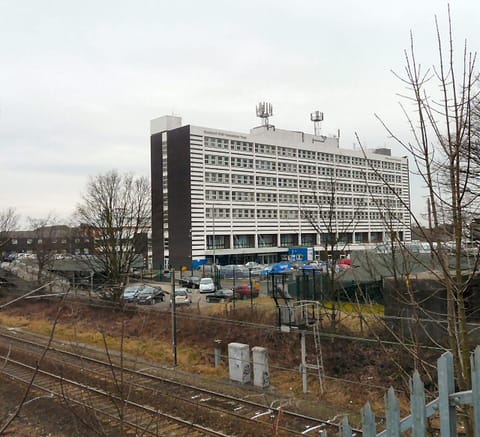
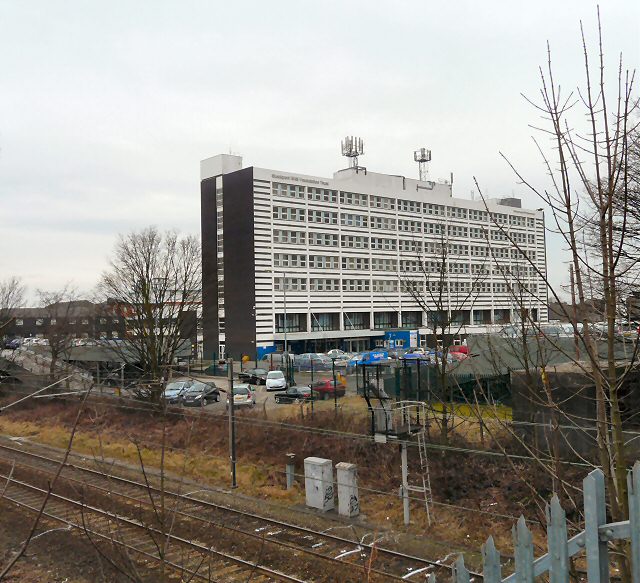
Stepping Hill is run by Stockport NHS Foundation Trust. Police later said that 21 patients were affected between June and July 2011 by saline products that had been contaminated with insulin. Several patients suffered hypoglycaemic episodes, in which blood sugar falls to a dangerous level. Some died.
The scale of the problem alarmed both the hospital and the police. The then Chief Constable of Greater Manchester Police, Sir Peter Fahy, said after the trial that officers had discussed closing all or part of the hospital to protect patients. Extra security measures, including CCTV, helped to avoid that step.
The arrest of Rebecca Leighton
On 20 July 2011, police arrested Ms Leighton, then 27, on suspicion of murder. She worked on two of the wards concerned. She appeared before magistrates two days later. Reports at the time said she faced charges of causing damage with intent to endanger life, and she was remanded in custody. She spent about six weeks in prison.
The prosecution had relied largely on her fingerprints being found on a contaminated saline bag. As a nurse on the ward, she handled such products as part of her job, and other people also had access to them.
Why the case against her fell away
On 2 September 2011, the Crown Prosecution Service dropped the charges. The further evidence that prosecutors had expected to emerge had not materialised. The Chief Crown Prosecutor for the North West said at the time that she had been charged on the basis of reasonable suspicion and an expectation that the continuing investigation would provide more evidence.
Her treatment drew criticism, including over press coverage of her arrest. Ms Leighton was later reported to have been dismissed from her job at the hospital. After the 2015 verdicts, Sir Peter Fahy apologised to her. He said her arrest reflected the pressure police were under.
The second investigation
The inquiry continued, and detectives questioned hundreds of people. In January 2012, police arrested Mr Chua, then 46, on suspicion of murder, and he was released on police bail. He had been born in the Philippines and worked as a nurse at the hospital.
It is worth being precise about the timeline, because the case is sometimes summarised as one in which deaths continued after Ms Leighton was removed. The offences for which Mr Chua was convicted were dated to June and July 2011. Some deaths were reported around the turn of the year, and police linked at least one to patients' earlier exposure to contaminated products. They were not, on the evidence put to the jury, new poisonings.
The trial and verdicts
Mr Chua pleaded not guilty to 36 charges, including three counts of murder. The trial at Manchester Crown Court lasted about three months before Mr Justice Openshaw. The jury deliberated for 11 days.
On 18 May 2015, it convicted him of the murders of Derek Weaver, 83, and Tracey Arden, 44. It cleared him of murdering a third patient, Arnold Lancaster, but found him guilty of attempting to cause that patient grievous bodily harm. Mr Chua was also convicted of:
- 22 counts of attempted grievous bodily harm;
- one count of grievous bodily harm, relating to a patient who suffered brain damage;
- seven counts of attempting to administer poison; and
- one count of administering poison.
The prosecution case was that he injected insulin into saline bags and ampoules. Colleagues who did not know of the tampering then used them on patients. Police said most victims were harmed at random, though some may have been targeted.
Sentence and appeal
The following day, Mr Justice Openshaw sentenced Mr Chua to life imprisonment with a minimum of 35 years. In legal terms, the minimum is the period he must serve before the Parole Board can consider his release. It does not guarantee release afterwards. Reports said the judge described the crimes as indescribably wicked.
Mr Chua sought to challenge the outcome. In July 2016, three judges at the Court of Appeal in London refused him permission to appeal against both conviction and sentence.
What the case left behind
The case raised questions beyond the courtroom. After the trial, concerns were voiced about how Mr Chua's overseas nursing qualifications had been checked. The trust's chief executive said NHS employers relied on the Nursing and Midwifery Council for such checks.
The case also remains a notable example of how an early charge, brought under heavy pressure, can fail when the evidence does not develop. Ms Leighton was never convicted of any offence connected with Stepping Hill. The verdicts against Mr Chua closed the criminal case, and an appeal against them has been refused.