
George Hennard: the 1991 Luby's shooting in Killeen, Texas
On 16 October 1991, George Hennard, aged 35, drove a pickup truck through the front window of a Luby's Cafeteria in Killeen, Texas, and opened fire on the lunchtime diners. Twenty-three people were killed and dozens more were wounded. Hennard died at the scene after shooting himself, so he was never charged, tried or sentenced. This article sets out what is known about the attack, why no court proceedings followed, and how the event affected law and politics in Texas.
The attack on 16 October 1991
Hennard, who lived in nearby Belton, was an unemployed former merchant seaman. The attack began shortly before 12.40pm, at the height of the lunch hour. Accounts describe him driving his truck through the plate-glass front of the restaurant on Central Texas Expressway, then getting out and shooting at the people inside.
He used two semi-automatic pistols and reloaded repeatedly. Reports give the length of the attack as about 12 or 13 minutes. Survivors said he moved through the restaurant and targeted people at close range. Women made up most of those killed and many of those wounded, and survivors reported that he made hostile remarks about women during the attack.
Most accounts say 23 people died and 27 were wounded, although some reports give a slightly lower figure for the injured. Twenty-two people died at the scene. The 23rd victim died from her injuries a few days later. Hennard's own death brought the total number of deaths to 24.
The response
Police officers arrived within minutes of the emergency calls. Hennard exchanged fire with officers, including a Texas Department of Public Safety officer. He then retreated towards the restaurant's restrooms and shot himself. Accounts say that only Hennard was hit by police gunfire.
Some diners escaped through a broken window after a man in the restaurant threw himself through the glass, which gave others a way out. Local reports of the day also describe people trying to shield or help others, and some of those who intervened were killed.
Why there was no trial
In criminal law, a prosecution cannot continue against a person who has died. A defendant must be alive to enter a plea, face a jury and be sentenced. Because Hennard took his own life during the attack, there was no indictment, no plea and no verdict. The question of his guilt was never tested in court.
Without a trial, the official account of the day rests mainly on the police investigation, statements from survivors and witnesses, and later public reporting. That is why accounts written years afterwards still differ on some minor details, such as the number of people wounded.
The victims
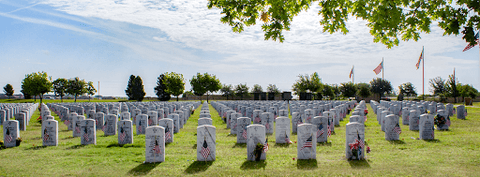
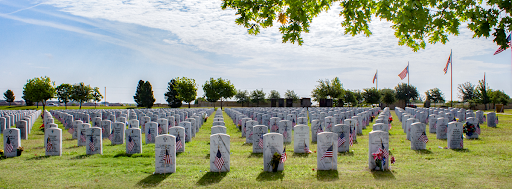
The 23 people who died ranged in age from their early thirties to their seventies. They included married couples, a doctor, a soldier from nearby Fort Hood and residents of Killeen, Belton, Copperas Cove and other Central Texas towns. Among those who died were Al and Ursula Gratia, the parents of Suzanna Gratia Hupp, who survived the attack. A granite memorial to the victims stands in Killeen and is open to the public.
At the time, the shooting was the deadliest in United States history. Later attacks have since exceeded it in the number of lives lost, but it remains one of the worst mass shootings in the country and is often described as the deadliest in Texas history until later events.
The effect on Texas gun law
The shooting became a central reference point in the debate over carrying firearms in public in Texas. Hupp said she had left her handgun in her car on the day of the attack because the law at the time did not allow her to carry it. She later became a prominent supporter of concealed-carry rights and was elected to the Texas House of Representatives, where she served from 1997 to 2007.
Bills to allow licensed residents to carry concealed handguns were vetoed by Governor Ann Richards, a Democrat. In 1995, her Republican successor, George W. Bush, signed such a law. Supporters argued that law-abiding citizens should be able to defend themselves. Critics countered that the attack showed the need for tighter control over access to weapons. Both sides have continued to cite the Killeen case in later debates.
What is known about Hennard
Hennard was born in October 1956 and was 35 at the time of the attack. Reports describe him as a man with no steady employment who lived a solitary life, and who had a history of hostility towards women. No court ever examined his motives, and conclusions drawn about them rest on witness accounts of what he said during the attack and on later reporting. It is therefore safest to avoid firm claims about why he acted as he did.
Remembering the case
The Luby's shooting changed Killeen, a city closely tied to the Fort Hood military base, and it altered how many Texans thought about public safety and personal firearms. Anniversaries have been marked by local newspapers and by survivors and families, who have spoken about the long-term impact on the community.
As a legal matter, the case ended on the day it began. There was no verdict and no sentence, and the public record consists of the investigation, the testimony of those who were there and the law that followed.