
Lay judges and mixed courts: how some countries share the bench
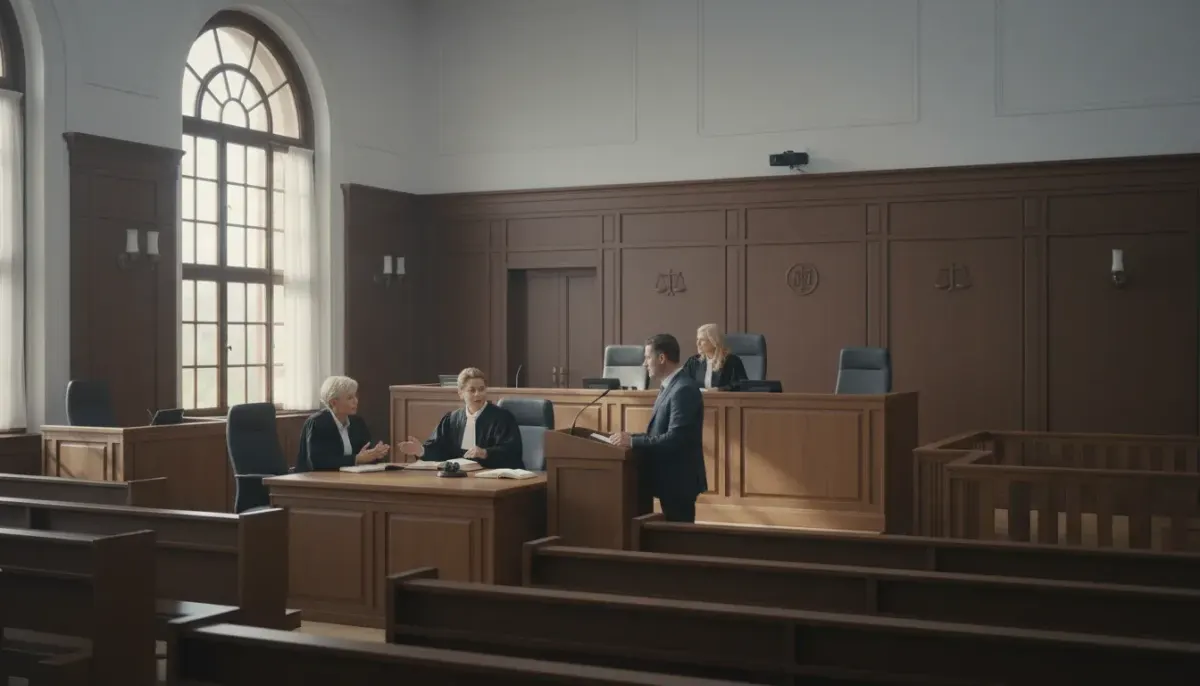
When people picture a criminal trial, they often think of twelve jurors who decide guilt while a judge manages the proceedings. Many countries work differently. In a mixed court, sometimes called a mixed bench, ordinary citizens and professional judges sit together, hear the evidence together and decide the outcome together. This article explains the idea, looks at several national examples and sets out the main arguments for and against the model.
What is a lay judge?
A lay judge is a person without a full legal career who takes part in judging cases. The role is usually unpaid or modestly compensated for time and expenses. Lay judges are not experts in law, and the system relies on their experience of everyday life to help test the evidence and weigh what is fair.
It helps to separate two ideas that are often confused:
- Jury: a group of citizens who decide the facts, usually on their own, after the judge has explained the law.
- Mixed bench: citizens and professional judges who deliberate together and, in most systems, vote together on both guilt and sentence.
England and Wales also use lay magistrates, but they are a different arrangement. Magistrates sit in groups of three, usually without a professional judge, and are advised on the law by a legally qualified clerk. That is a lay court, not a mixed one.
How mixed courts work in practice
Germany
German criminal courts use lay judges, known as Schöffen, in many trials. Depending on the court and the seriousness of the case, a bench may combine one or more professional judges with two lay judges. Lay judges serve fixed terms and have the same vote as their professional colleagues. For decisions that go against the defendant, such as a finding of guilt or the sentence, the law requires a two-thirds majority, so professional judges cannot simply outvote the lay members on their own where the numbers are close.
France
For the most serious offences, France uses the cour d’assises, where a panel of professional judges sits with a group of citizen jurors. Although the citizens are called jurors, they retire with the judges and decide together, so the court is closer to a mixed bench than to a classic jury. A qualified majority is needed to convict. France has also introduced courts for certain serious offences that are staffed entirely by professional judges, so the balance between lay and professional participation continues to be debated there.
Japan
Japan introduced its saiban-in system in 2009. In serious criminal cases, citizens chosen from the electoral roll sit with professional judges, question witnesses through the court and take part in deciding both verdict and sentence. A decision is made by majority, but the majority must include at least one professional judge. [CHECK exact panel size for contested and uncontested cases before publication]
Italy and Scandinavia
Italy’s courts of assize combine professional judges with a larger number of lay judges for the gravest crimes. Sweden, Norway, Denmark and Finland have long used lay judges in many first-instance courts, though the exact composition and the types of case differ by country and have changed over time. Anyone relying on these details should check the current rules in each jurisdiction.
Why some systems prefer a shared bench
Supporters of mixed courts make several arguments:
- Legal guidance during deliberation. Professional judges are in the room when the decision is made, so legal errors can be corrected before a verdict is reached.
- Reasoned decisions. Because professionals are part of the decision, mixed courts typically produce a written explanation of how the verdict was reached. This can make an appeal on the facts easier to assess.
- Public participation. Citizens see how justice works and bring ordinary experience to the evidence, which may strengthen public trust.
- Consistent sentencing. Sentencing is usually decided by the same bench that decides guilt, rather than being left to a judge alone after a jury verdict.
Common criticisms
Critics raise concerns too. Lay judges may feel reluctant to disagree with experienced professionals, which could reduce their independent influence. Training and preparation vary, and some lay members may be unfamiliar with court procedure. Others argue that a jury, which deliberates without a judge, is better protected from outside influence on its reasoning. Defenders of mixed courts reply that a jury gives no reasons for its verdict, which can make errors harder to detect. Neither side can claim that one model is clearly superior, and research findings on the topic are mixed.
Mixed courts compared with juries
| Feature | Jury trial | Mixed bench |
|---|---|---|
| Who decides guilt | Citizens alone | Citizens and judges together |
| Who decides sentence | Usually the judge | Usually the whole bench |