
Julian Assange: the extradition fight and the 2024 plea deal
Julian Assange, the WikiLeaks founder, pleaded guilty in a United States federal court in Saipan, in the Northern Mariana Islands, on 26 June 2024 (local time). He was sentenced to 62 months in prison, a term matching the time he had already spent in a British jail. The plea deal brought an end to a long extradition fight in the UK courts, and he returned to Australia as a free man.
The outcome in Saipan
Mr Assange, then aged 52, admitted one count of conspiracy to obtain and disclose national defence information, an offence under the Espionage Act. The hearing took place in the United States District Court for the Northern Mariana Islands before Chief Judge Ramona Manglona. She accepted the plea and imposed a sentence of time served, so he left court without further custody.
The US Department of Justice said the plea agreement bars him from returning to the United States without permission. Prosecutors said the territory was chosen because Mr Assange opposed travelling to the US mainland and because it lies close to Australia. In court, he said he believed the First Amendment and the Espionage Act were in conflict, but accepted that winning such an argument would be difficult.
How the case began
WikiLeaks published large volumes of classified US military and diplomatic material from 2010. A US grand jury in Virginia began pursuing Mr Assange, and a sealed charge was filed in 2018. He had by then spent years in the Ecuadorian embassy in London, where he sought refuge in 2012 while fighting a separate Swedish investigation. Sweden later dropped that inquiry.
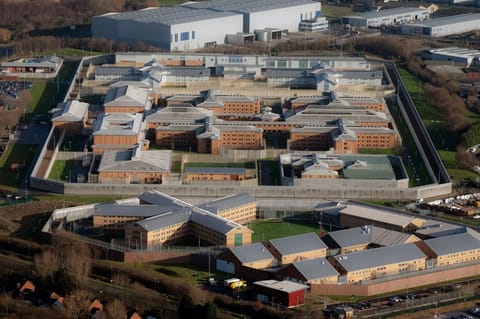
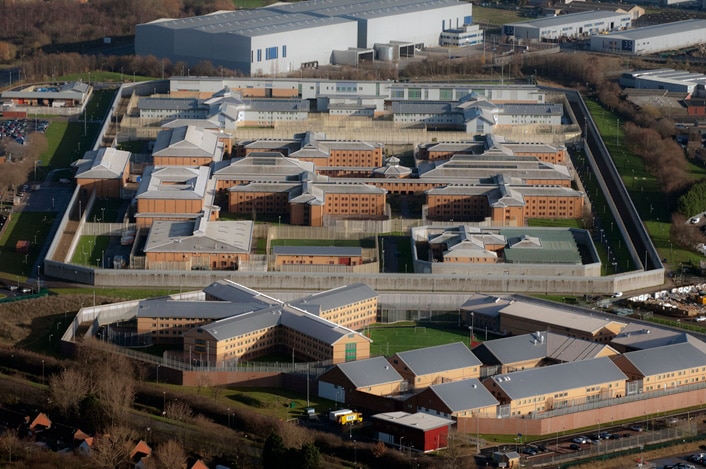
Ecuador ended his asylum in April 2019 and police arrested him at the embassy. The US charge, a computer intrusion conspiracy, was made public. Prosecutors later added 17 counts under the Espionage Act, making 18 in all. Mr Assange was held at Belmarsh Prison in London while the US sought his extradition.
The extradition fight in the UK courts
The first ruling
The extradition request was first heard by District Judge Vanessa Baraitser at Westminster Magistrates' Court. In January 2021 she refused to order his surrender. She did not accept his arguments about press freedom or political motivation. She ruled that his mental health, and the risk of suicide in US prison conditions, made extradition oppressive under UK law.
Appeals and assurances
The US appealed. In December 2021 the High Court allowed the appeal after Washington offered assurances about how he would be held and treated. The Supreme Court declined permission to appeal in March 2022, and the case went to the Home Secretary, who approved extradition in June 2022. Mr Assange then sought to challenge the decision on further grounds.
In March 2024, two High Court judges said he could proceed with an appeal unless the US gave further assurances. These covered whether he could rely on First Amendment protections, whether he would be treated no less favourably because he is not American, and whether the death penalty would be excluded. After the US responded, the High Court granted permission to appeal in May 2024, and a full hearing was listed for early July.
Why a plea deal followed
With that hearing approaching, the US and Mr Assange's lawyers reached an agreement. Under it, the 18 counts were replaced by a single charge, and the sentence was set in advance at time served. The High Court granted him bail, and he left Belmarsh and flew out of the UK before travelling to Saipan.
The Australian Government had repeatedly said nothing was to be gained from his continued detention. Reaction was divided. Free speech groups welcomed his release but said the prosecution set a worrying precedent for journalism. Some US critics said he should have faced a full prosecution.
What was and was not decided
A plea deal is an agreement between prosecution and defendant, approved by a judge. It is not a trial finding. The Saipan hearing therefore produced a conviction but no judicial ruling on whether publishing classified material can be protected speech. The UK courts also never decided the central extradition question, because the appeal was never heard.
| Date | Step |
|---|---|
| April 2019 | Arrested at the Ecuadorian embassy; US charge made public |
| January 2021 | District Judge refuses extradition on health grounds |
| December 2021 | High Court allows US appeal after assurances |
| June 2022 | Home Secretary approves extradition |
| May 2024 | High Court grants permission to appeal |
| June 2024 | Guilty plea in Saipan; 62 months, time served |
Why the case matters
The Assange case shows how extradition can turn on human rights and diplomatic assurances rather than the underlying allegations. It also shows how a negotiated plea can end a dispute that courts in two countries had not fully resolved. Mr Assange now has a US felony conviction, and the legal debate over where journalism ends and the Espionage Act begins remains open.