
Cold Cases, Warm Leads: How Forensics Is Reopening Old Mysteries
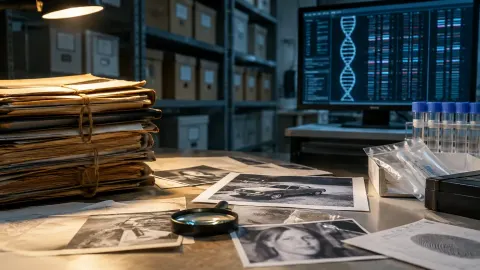
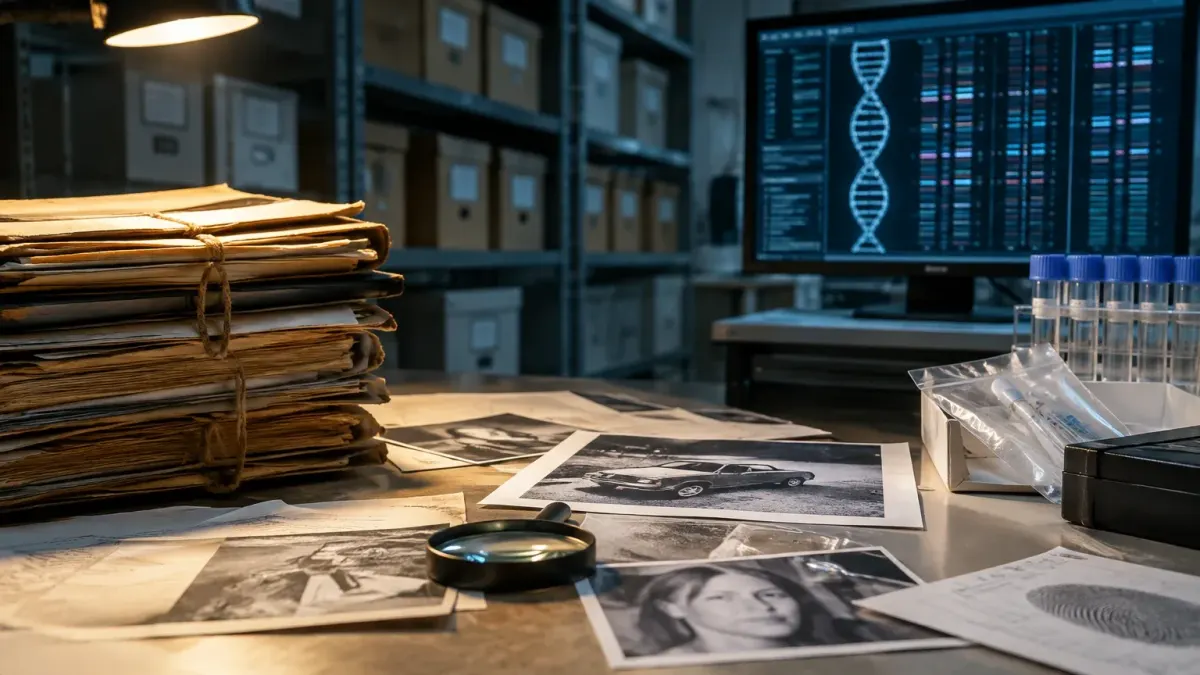
For years, the boxes sat on shelves in evidence rooms, labelled with dates that grew steadily older. Inside were clothing, swabs, hairs and fibres, kept because someone, somewhere, believed they might matter one day. For many families, that day never seemed to come. Today it increasingly does. Advances in forensic science are turning cold cases into live investigations, and the families of victims are once again being given reasons to hope.
What Makes a Case Go Cold?
There is no single legal definition of a cold case, and police forces use different rules. In general, the term describes a serious investigation, most often a homicide, a sexual assault or a missing person inquiry, that has run out of workable leads and has been set aside. Witnesses move away or die, memories fade, and suspects slip out of view. Sometimes the evidence simply could not say enough with the tools available at the time.
That last point is the key to understanding why the field has changed. Many unsolved crimes were not neglected so much as stalled by the limits of technology. When the science improves, the same evidence can suddenly say far more than it once did.
The Evidence That Waited
Smaller samples, sharper results
Early DNA profiling needed a fairly generous sample, such as a visible bloodstain. Modern laboratory methods can work with tiny or degraded material. Traces left by skin cells on clothing, a single hair or an old stamp or envelope can sometimes yield a usable profile. Techniques that read mitochondrial DNA, which is passed down the maternal line, can help when older hairs or bone offer little nuclear DNA to work with.
Databases and the limits of a match
For decades, the standard approach was to compare a crime-scene profile with those held on a law enforcement database. That works well if the offender has been convicted of an offence and is on file. If not, the search comes back empty, and many old cases stopped right there. Some systems also allow familial searching, which looks for partial matches that might point to a close relative, though policies on its use vary widely between countries.
Genetic Genealogy: The Game Changer
The most striking shift of recent years is genetic genealogy. Instead of looking for the offender directly, investigators look for relatives. A DNA profile from the crime scene is compared with profiles that members of the public have chosen to share on consumer genealogy databases. Matches may be distant cousins, but each one is a thread. Specialists then spend weeks or months building family trees from public records such as birth notices, marriage certificates and obituaries, narrowing the field until a handful of possible individuals remain.
The method came to wide public attention in 2018, when it was used in the hunt for a notorious Californian serial offender, and it has since helped resolve cases in many countries. It has also been used to name unidentified people whose remains had lain unclaimed for decades, giving families an answer they had long since stopped expecting.
Importantly, a genealogy match is a lead, not a verdict. Investigators generally still need to obtain a fresh sample from the person they suspect and compare it with the original DNA evidence before making an arrest. The courts, not the family tree, decide guilt.
Beyond DNA
DNA gets the headlines, but it is not the only tool. Fingerprint databases are now searched with far more sophisticated software than was once possible. Digital techniques can enhance old photographs and recordings, and fresh analysis of ballistics, fibres or toxicology can overturn earlier assumptions. Some forces also bring in new teams of detectives who have no attachment to the original theory, which can be just as valuable as any machine. A reviewer who reads the file with fresh eyes may notice a statement that was never followed up.
Challenges and Concerns
The progress is real, but so are the difficulties.
- Preservation: Evidence that was lost, contaminated or poorly stored may never be usable, however good the laboratory.
- Cost and capacity: Specialist analysis and genealogy research can be expensive, and only a limited number of laboratories and trained genealogists do the work. Many agencies must make hard choices about which cases to pursue.
- Privacy: Because relatives share DNA, a person who has never taken a test can still be pulled into an investigation through a cousin. Most consumer companies restrict police access, and users of some services must opt in, but the debate over consent and oversight continues.
- Accuracy and bias: Misinterpreting a distant match or leaning too hard on a family tree can send an inquiry in the wrong direction, which is why careful verification matters.
Why It Matters Now
Behind every file is a person and a family still waiting. Solving a decades-old case can bring answers to relatives who have lived without them for half a lifetime, and it can take dangerous offenders out of circulation. It also sends a message that time alone does not guarantee escape.
The lesson for the rest of us is a hopeful one, with a note of caution. Careful evidence handling and patient record-keeping pay off, sometimes many years later. As cold cases continue to yield to better science, society will need to keep asking not only what the technology can do, but how it should be used fairly. The boxes on the shelves may still have a story to tell.